
 EN
EN  English
 русский
 Español
What Are the Key Features to Look for in a High-Quality Adjustable Wrench?
Adjustable wrenches are versatile tools that play a critical role in any toolkit, offering the flexibility to work with different bolt and nut sizes. Whether for DIY enthusiasts, professionals, or industrial applications, a high-quality adjustable wrench can make a significant difference in performance and durability.
Material and Build Quality
The material used in the construction of an adjustable wrench greatly impacts its strength, durability, and resistance to wear. Common materials for high-quality adjustable wrenches include carbon steel, chrome-vanadium steel, and stainless steel.
-
Carbon Steel: Known for its strength and affordability, carbon steel wrenches are a popular choice. However, they are more prone to rust compared to stainless steel.
-
Chrome-Vanadium Steel: This material is known for its hardness and resistance to corrosion. It’s often used in high-performance adjustable wrenches.
-
Stainless Steel: Stainless steel wrenches offer the resistance to rust and corrosion but may be more expensive than carbon steel or chrome-vanadium.
When choosing an adjustable wrench, it’s crucial to look for a high-quality steel alloy that balances strength with resistance to corrosion. This ensures the tool can withstand heavy usage without compromising its functionality.
Jaw Capacity and Adjustability
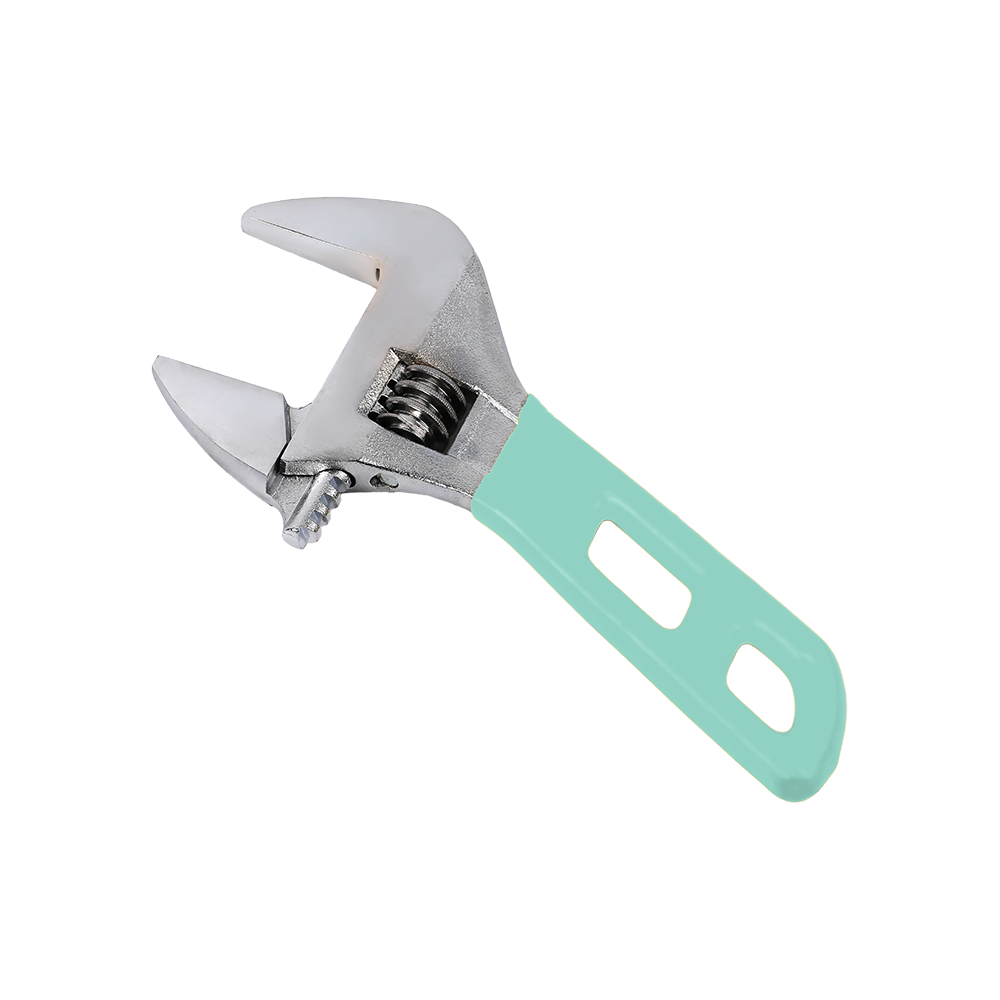
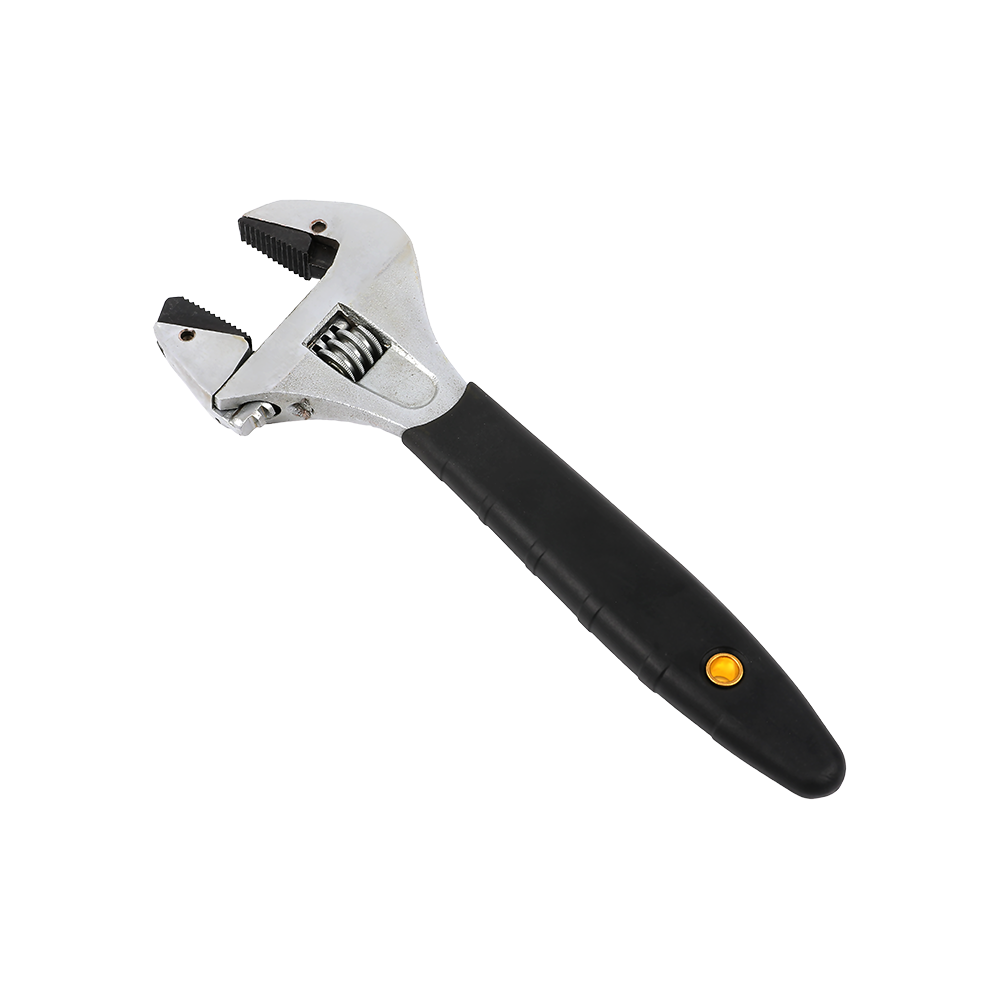
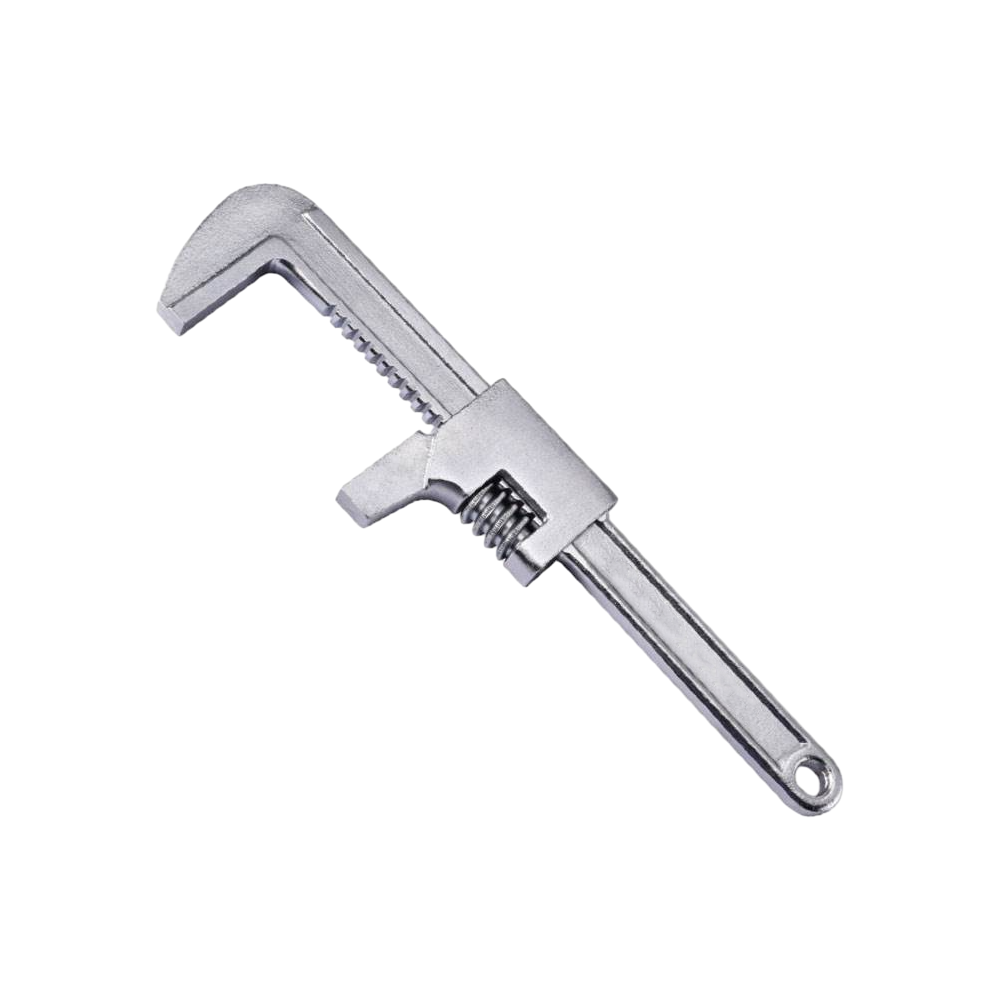
The jaw capacity of an adjustable wrench refers to the width it can open to grip a fastener. A larger jaw capacity increases the versatility of the tool, enabling it to handle a wider range of fasteners.
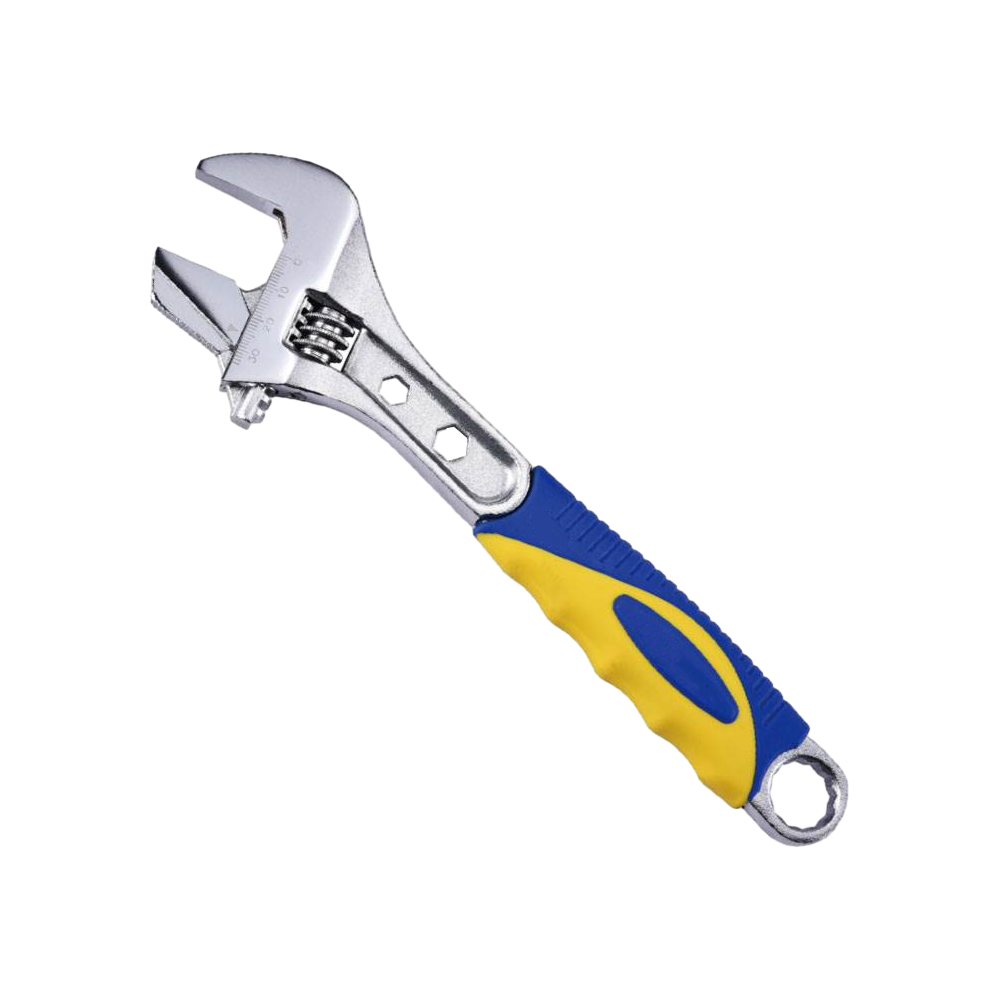
High-quality adjustable wrenches should offer smooth and precise adjustment. The mechanism should allow for quick and easy resizing of the jaw to accommodate different bolt or nut sizes without slippage or difficulty.
Manufacturers of adjustable wrenches often design their tools with a wide jaw capacity and finely calibrated adjustments to ensure precise tightening or loosening of fasteners.
Grip Comfort and Handle Design
Comfort and ergonomics are crucial when using any hand tool for extended periods. The handle design and grip material play a significant role in ensuring that the wrench is comfortable and easy to use.
-
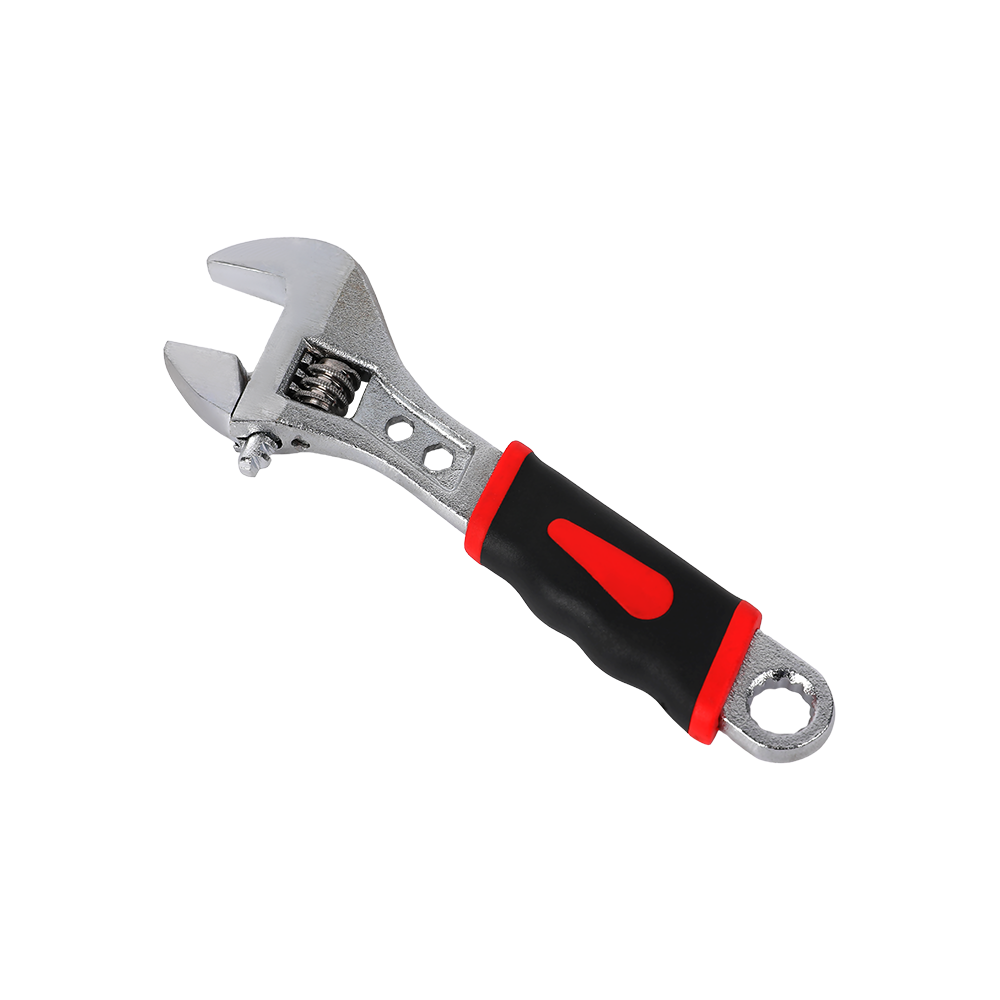
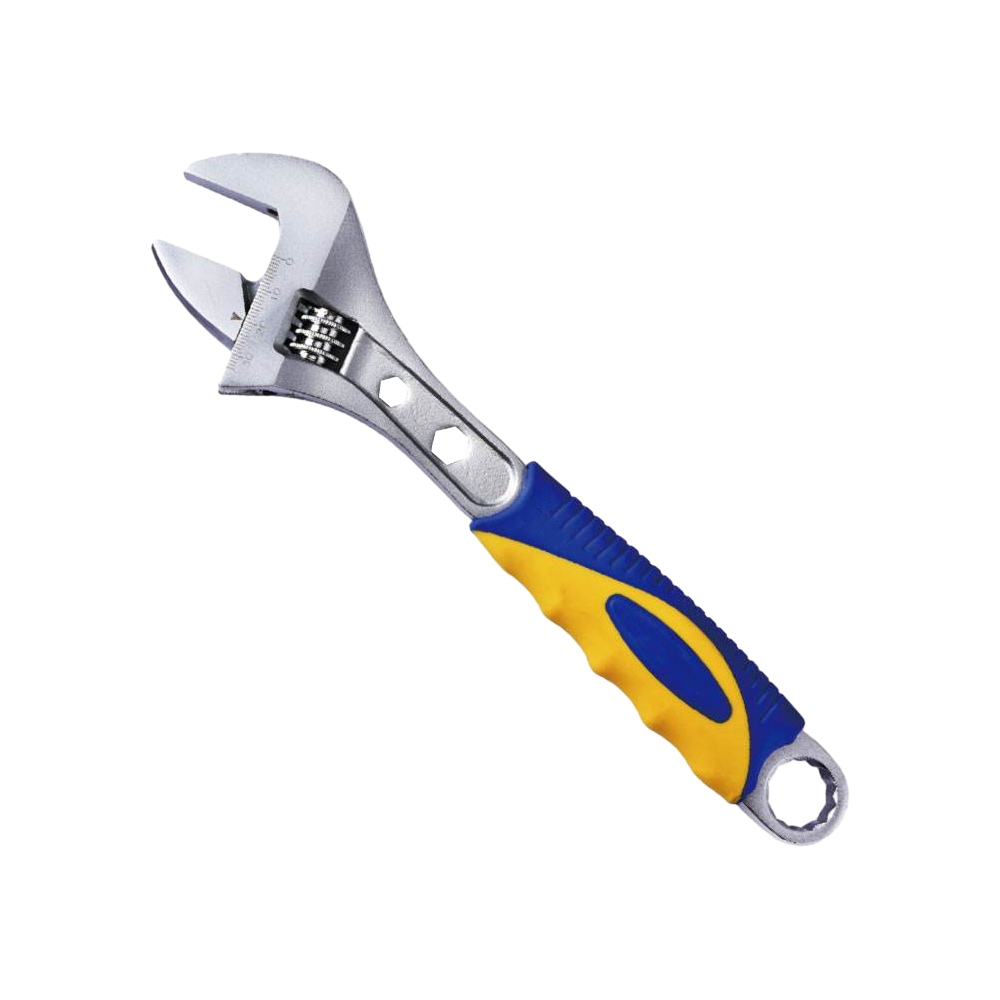
Ergonomic Handle: An ergonomic handle minimizes strain on the user’s hand and wrist, reducing the risk of fatigue during prolonged use.
-
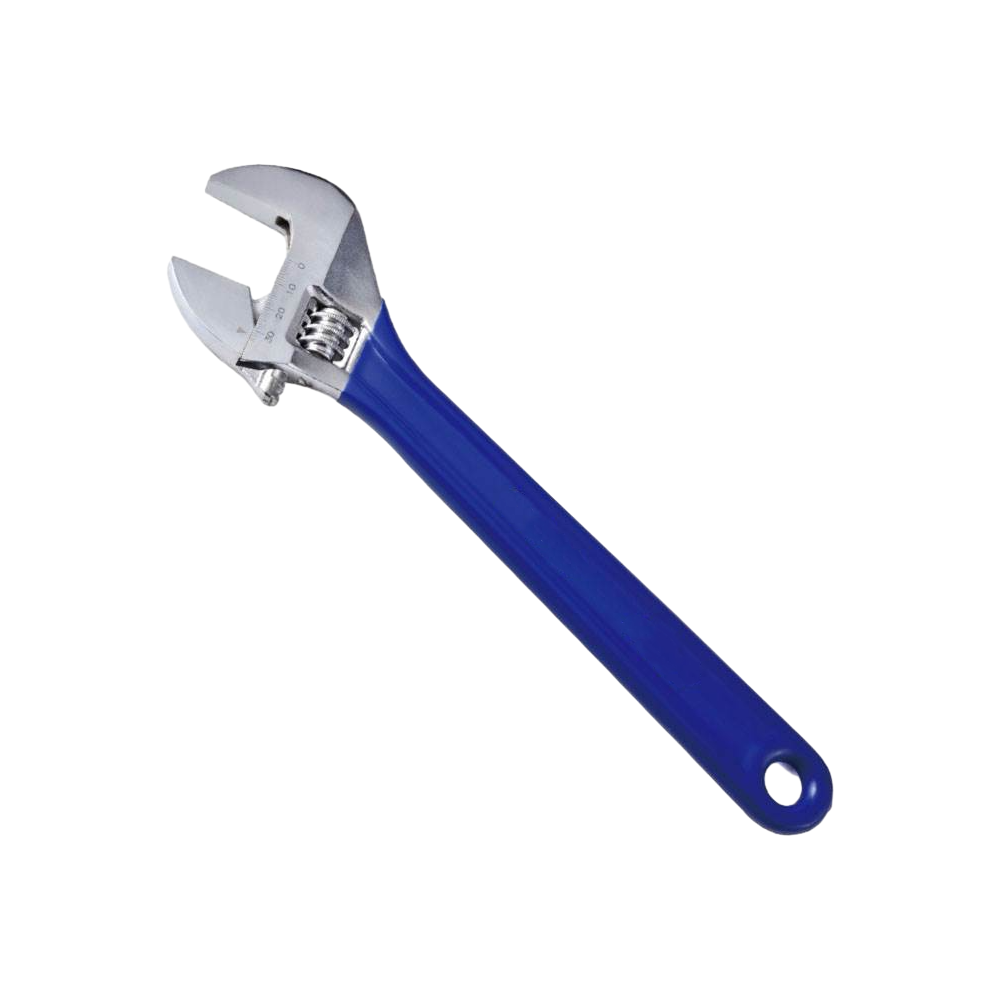
Non-slip Grip: High-quality wrenches often come with textured or rubberized grips that provide better control and prevent slippage, even in wet or oily conditions.
-
Handle Length: A longer handle can provide more leverage, allowing the user to apply more torque without exerting excessive effort.
A well-designed, comfortable grip is essential for both safety and efficiency.
Jaw Design and Precision
The precision of the jaws plays a crucial role in the performance of an adjustable wrench. The jaw should align perfectly with the fastener to ensure a secure grip without slipping.
-
Serrated Jaws: Some adjustable wrenches feature serrated jaws that provide a better grip on fasteners, preventing slippage. This is particularly important when working with rusted or worn fasteners.
-
Smooth Jaws: A high-quality adjustable wrench will have smooth jaws that fit snugly against the sides of a fastener. This ensures that the fastener won’t be damaged or stripped.
A precision-engineered jaw design improves the tool’s ability to work with various sizes of fasteners while reducing the risk of damaging the bolts or nuts being worked on.
Durability and Rust Resistance
An adjustable wrench must withstand frequent use and exposure to various environmental factors. High-quality wrenches are typically coated with protective finishes such as chrome plating or powder coating to resist rust and corrosion. This is especially important for tools used in outdoor or industrial environments.
-
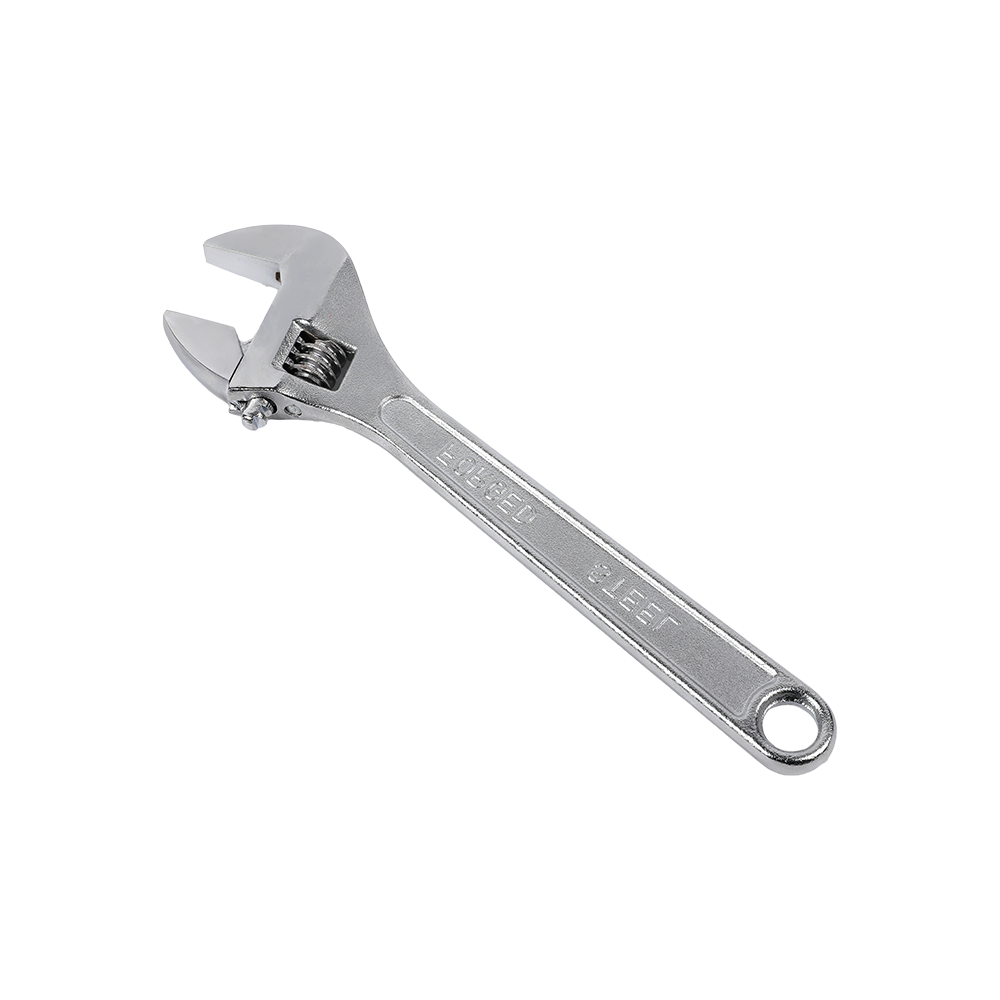
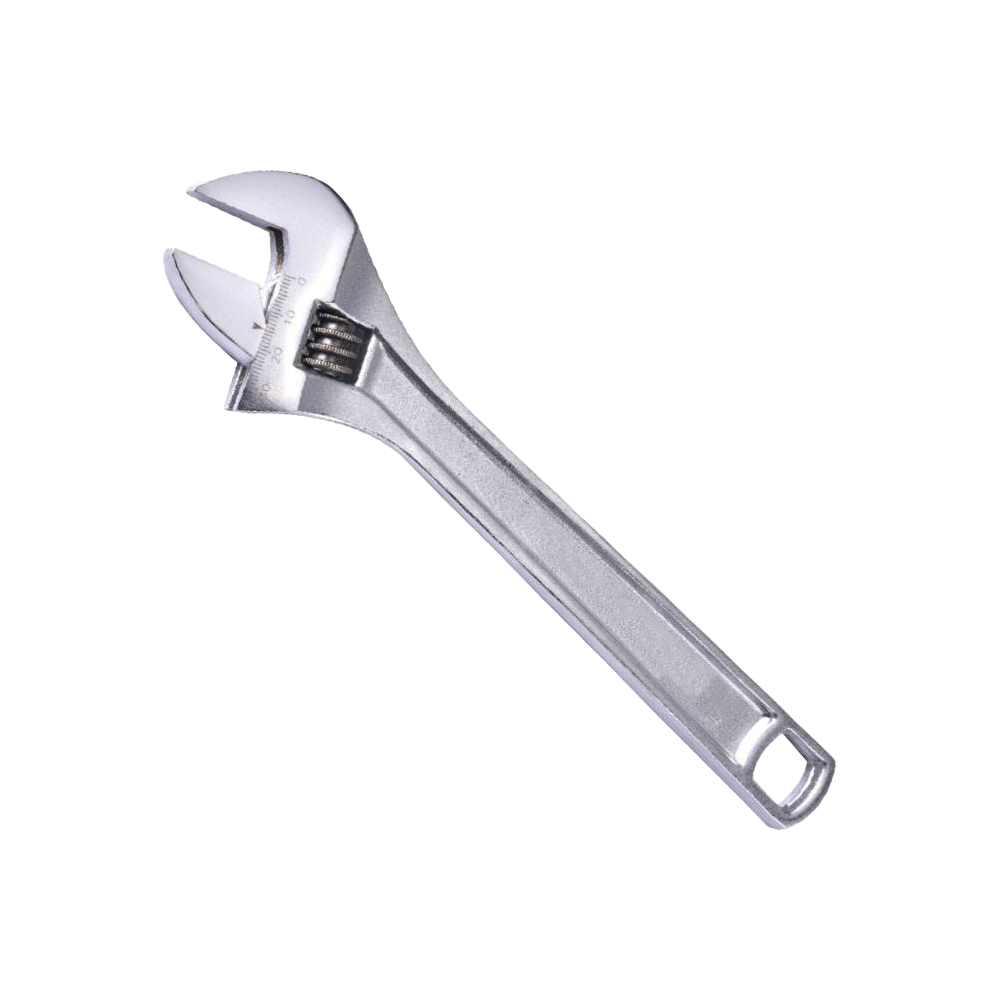
Chrome-Plated Finish: Chrome plating provides a shiny, rust-resistant surface that improves the tool’s durability.
-
Powder Coating: Some adjustable wrenches come with a powder-coated finish, which offers enhanced protection against corrosion and scratches.
Rust resistance not only prolongs the lifespan of the wrench but also ensures that it remains functional and reliable even after years of heavy use.
Weight and Balance
The weight of an adjustable wrench can significantly affect its ease of use. A tool that is too heavy may cause fatigue during extended use, while one that is too light may feel flimsy and lack the strength needed for heavy-duty tasks.
The balance of the wrench, in addition to its weight, ensures that the tool feels stable in the hand and allows for control. A well-balanced adjustable wrench will allow the user to apply torque evenly and comfortably without strain.
Price and Value for Money
While high-quality adjustable wrenches may come with a higher price tag, the durability, precision, and comfort they offer often justify the cost. When purchasing an adjustable wrench, consider the long-term value, including the tool’s lifespan and the quality of the materials.
It’s essential to evaluate the features and specifications of the wrench to ensure you are getting good value for the price. Remember, investing in a high-quality adjustable wrench now can save you money in the future by reducing the need for frequent replacements.
Brand Reputation and Reviews
The reputation of manufacturers of adjustable wrenches can provide valuable insight into the quality of the product. Established manufacturers typically have a track record of producing reliable, durable tools that meet or exceed industry standards.
Before making a purchase, consider reading customer reviews and product ratings. Positive feedback from other users can help confirm the wrench’s reliability and performance.
Features of High-Quality Adjustable Wrenches
| Feature | Description | Advantage |
|---|---|---|
| Material | Carbon Steel, Chrome-Vanadium Steel, Stainless Steel | Durability, strength, rust resistance |
| Jaw Capacity | Adjustable jaw with smooth, fine-tuned movement | Versatility in handling various fasteners |
| Grip Comfort | Ergonomic handle, non-slip rubberized grip | Improved control and comfort during use |
| Jaw Precision | Serrated or smooth jaws for secure fastener grip | Prevents fastener damage and slipping |
| Rust Resistance | Chrome-plated or powder-coated finish | Prolongs tool life, ideal for harsh conditions |
| Weight & Balance | Proper weight distribution for stability and ease of use | Reduces fatigue, enhances tool control |
| Price vs. Quality | Price reflects the quality of materials and manufacturing | Higher upfront cost for longer tool lifespan |
FAQ - Frequently Asked Questions
1. What is the material for an adjustable wrench?
The materials are typically chrome-vanadium steel and stainless steel for their strength, durability, and corrosion resistance.
2. How can I ensure my adjustable wrench lasts longer?
Proper maintenance, such as cleaning the tool after use and storing it in a dry place, can help prolong the life of your adjustable wrench.
3. Can an adjustable wrench be used for all types of fasteners?
An adjustable wrench is versatile, but for precision tasks or very specific fastener types, a dedicated wrench might be more effective.
4. How do I know if the jaw capacity is suitable for my needs?
Ensure the jaw opens wide enough to handle the fastener sizes you commonly work with, and test the adjustment mechanism for smoothness and precision.
5. Are ergonomic adjustable wrenches worth the investment?
Yes, ergonomic designs improve comfort and reduce hand fatigue, making them a good choice for extended use.
Conclusion
When choosing an adjustable wrench, consider its material, jaw capacity, handle design, and overall durability. A high-quality wrench can significantly improve your work efficiency and comfort, making it a valuable tool in both professional and DIY applications. With the right features, an adjustable wrench will offer years of reliable service, ensuring you have the right tool for every job.

-
Feedback