
 EN
EN  English
 русский
 Español
Top Wrench Uses You Didn’t Know About
Introduction
The wrench is one of the versatile tools in the world of hand tools and mechanical tools. It has been a staple in workshops, industrial facilities, automotive repair shops, and even household toolkits for decades. From tightening bolts to assembling furniture, the basic function of a wrench may seem straightforward, but its potential applications extend far beyond conventional uses. Wrench manufacturers continuously innovate to improve functionality, durability, and ergonomics, making modern wrenches capable of performing tasks that were once considered impossible with standard tools.
Understanding the Key Feature of Wrenches: Adjustable Functionality
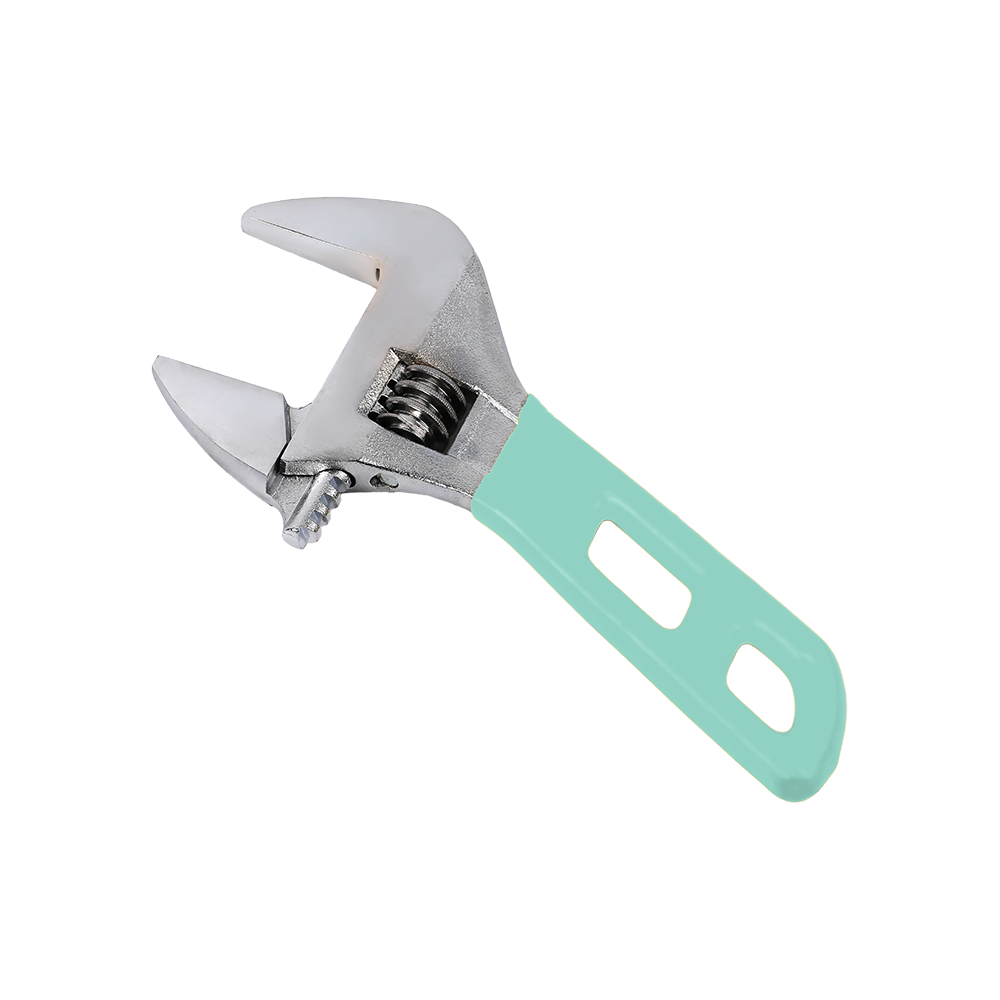
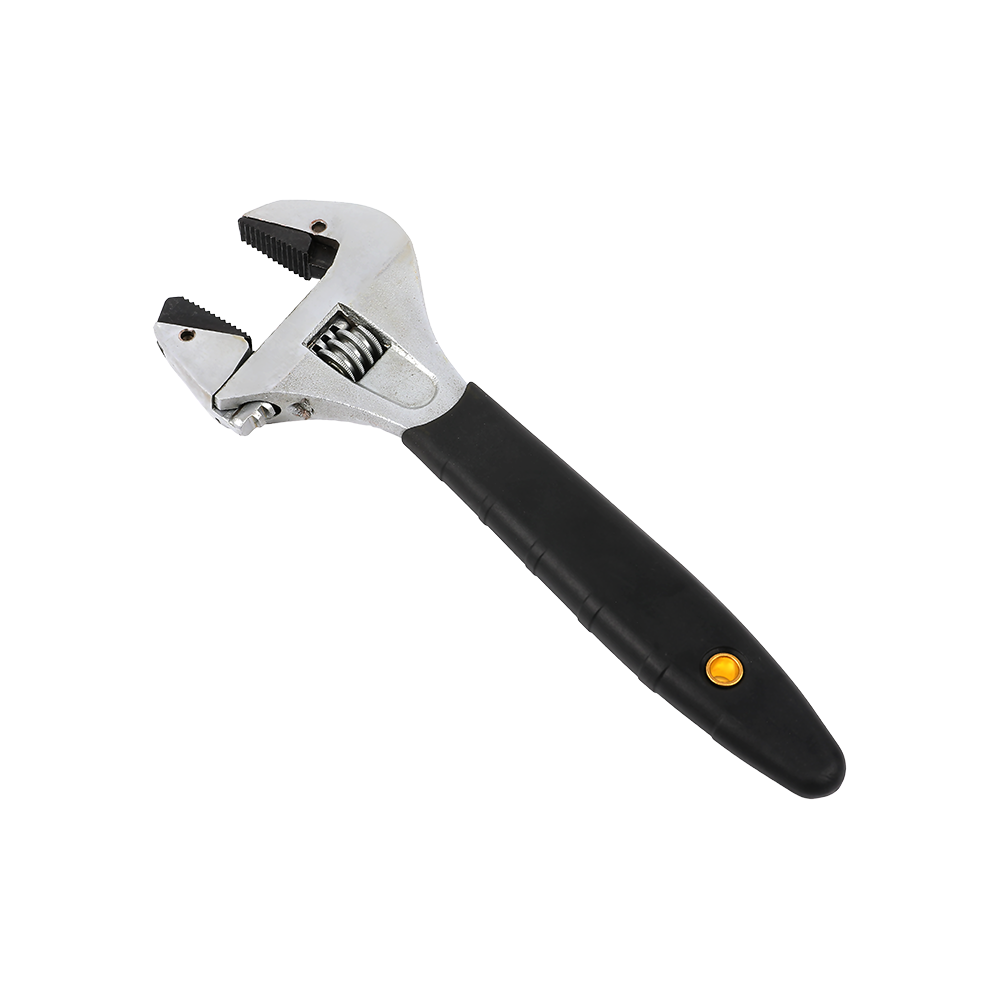
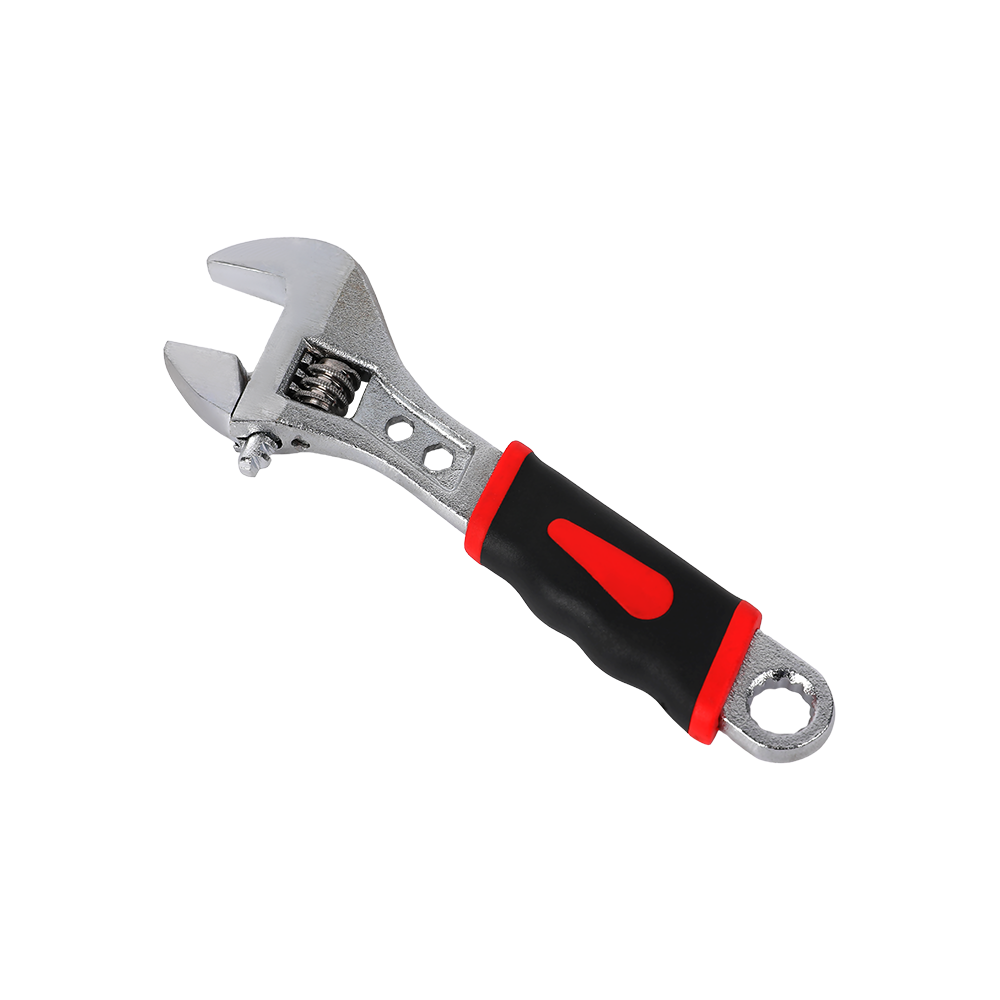
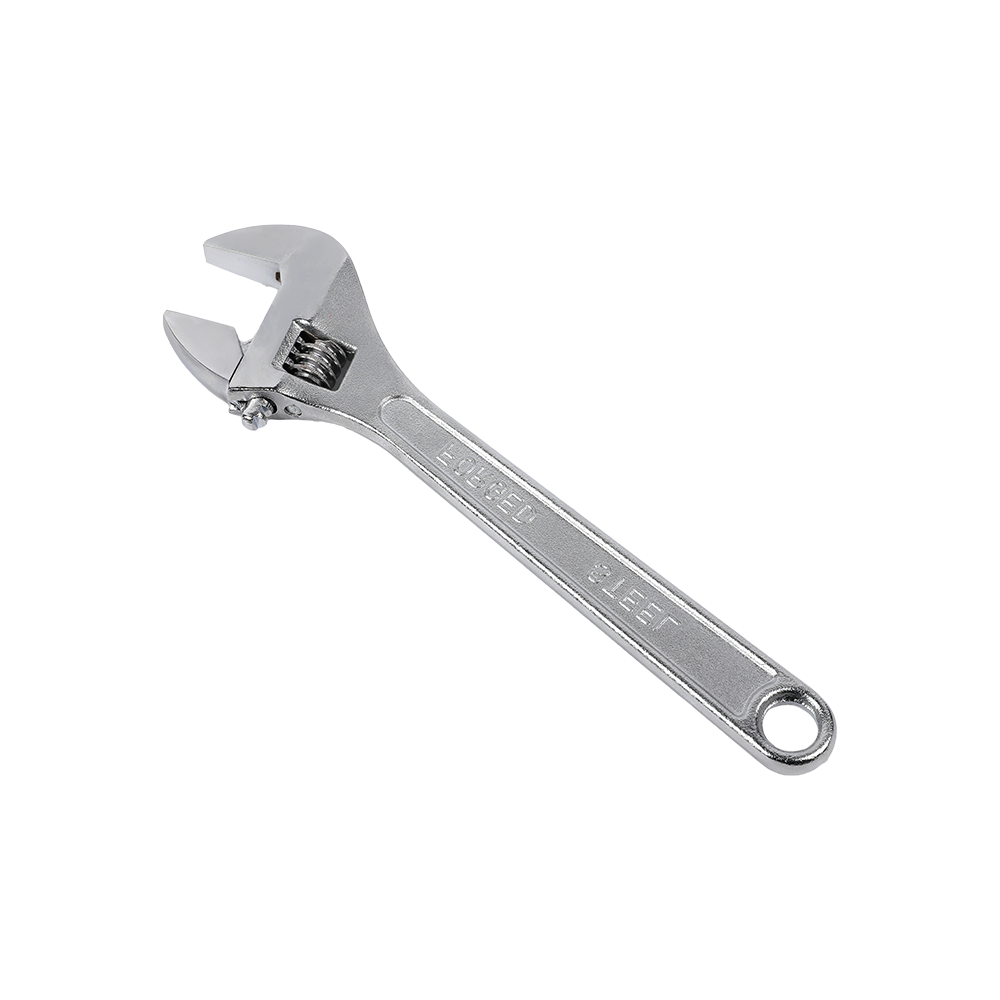
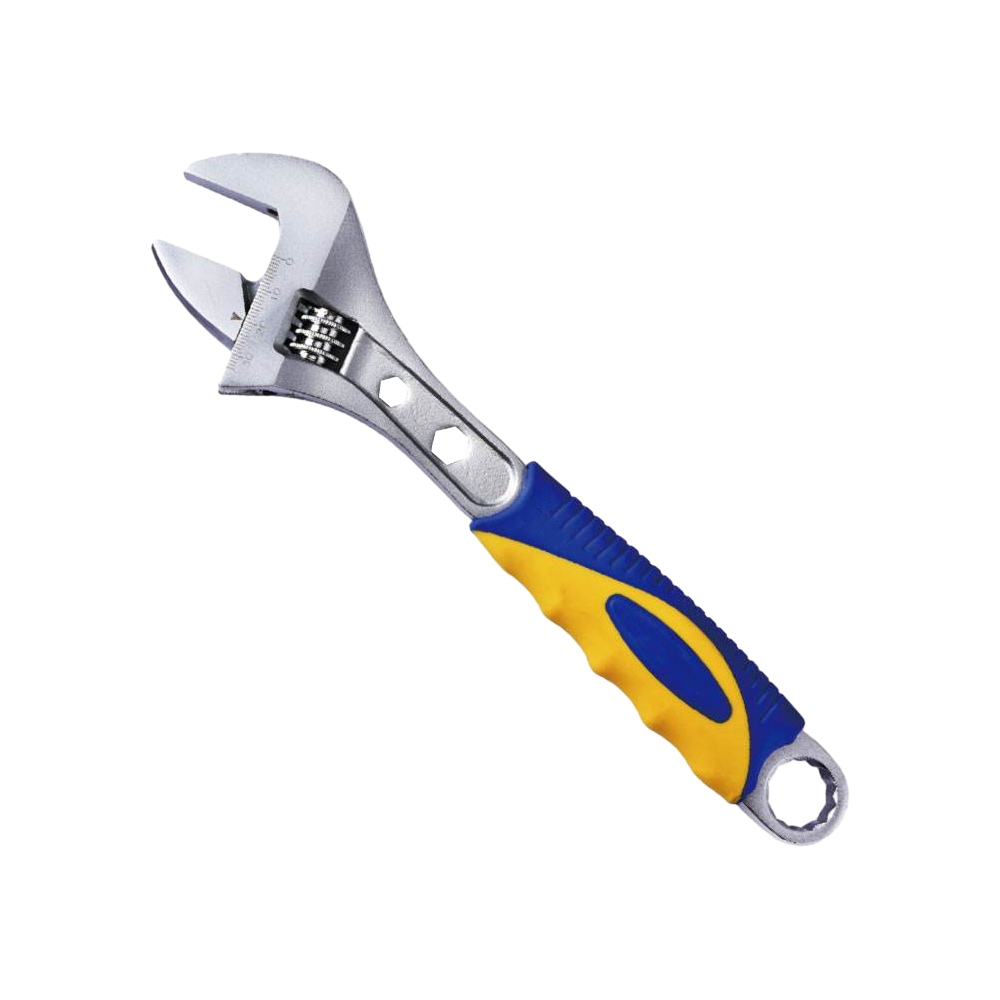
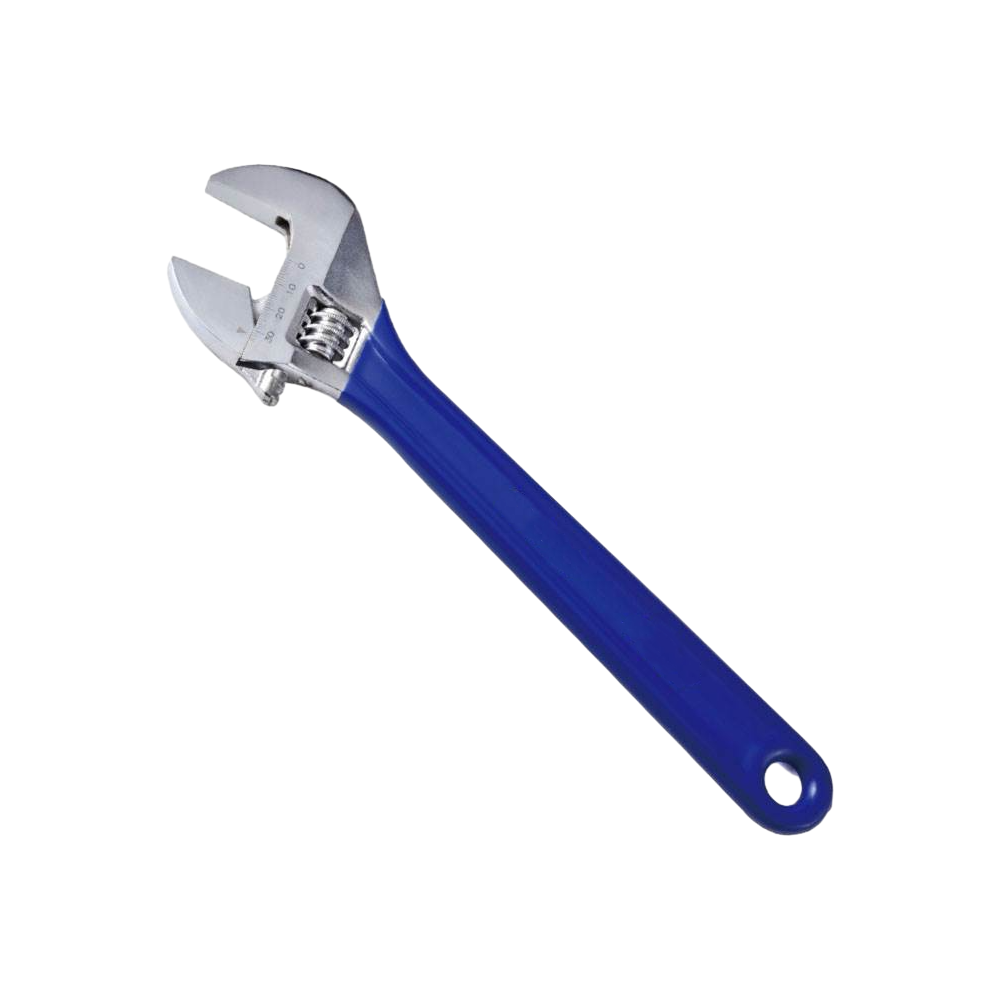
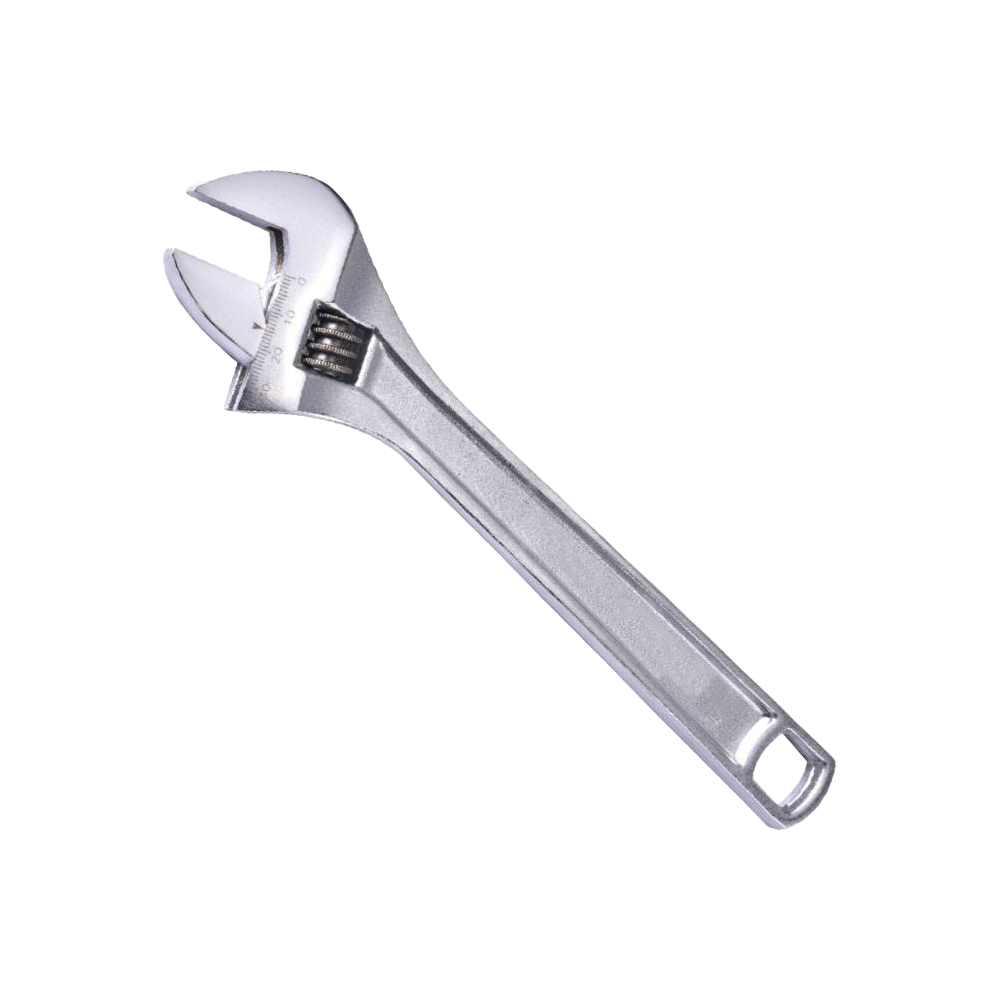
One of the defining features of many modern wrenches is their adjustable jaw. This feature allows a single wrench to accommodate various sizes of nuts and bolts, making it an essential tool for mechanics, plumbers, and general repair work. Adjustable wrenches eliminate the need for multiple fixed-size wrenches, saving space in a toolbox and enhancing versatility.
The adjustable functionality works by turning a worm gear or similar mechanism to expand or contract the jaw size. This flexibility is especially useful in situations where a specific bolt size is not immediately known, or when a single tool must serve multiple functions. Wrench manufacturers focus on precision and smooth movement in the adjustment mechanism, as this directly affects performance and durability.
Types of Adjustable Wrenches and Applications
| Wrench Type | Adjustable Range | Common Applications | Material |
|---|---|---|---|
| Adjustable Open-End | 6–32 mm | Plumbing, Automotive, General Use | Chrome Vanadium Steel |
| Crescent Wrench | 8–50 mm | Heavy Machinery, Mechanical Tools | Alloy Steel |
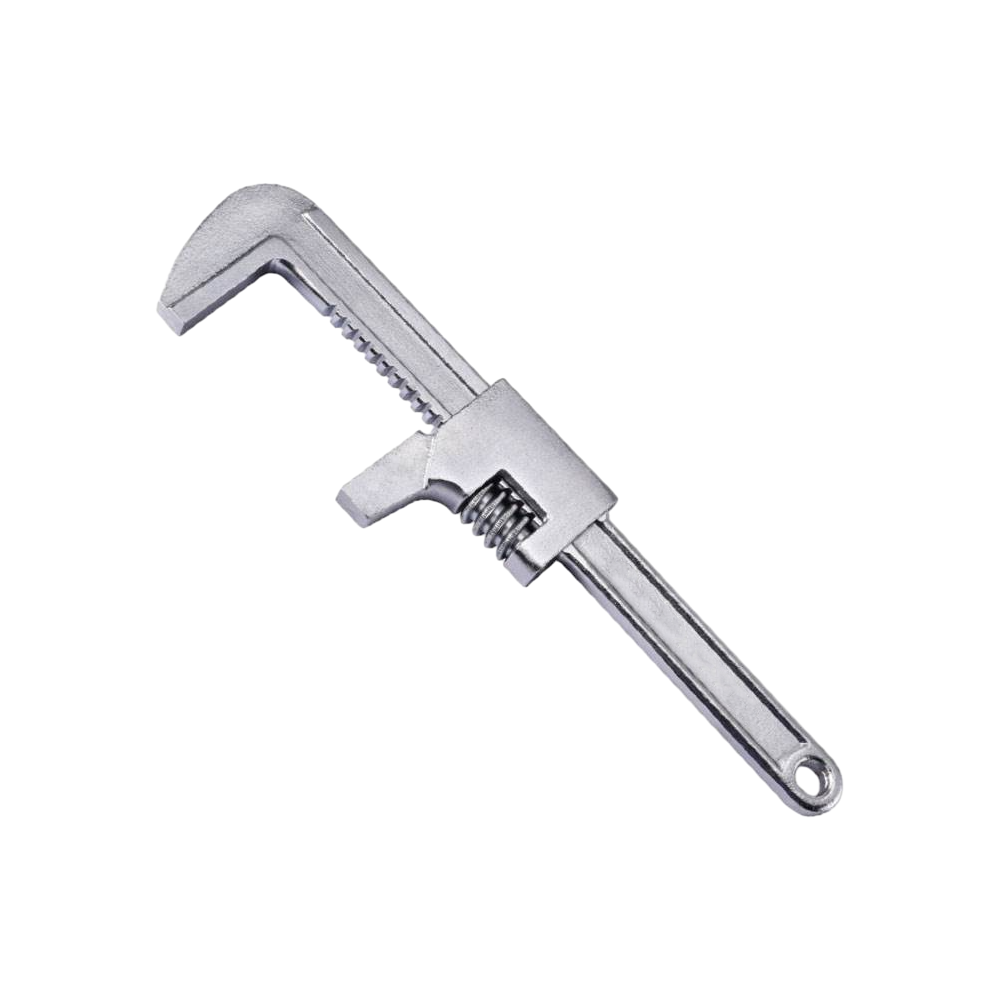
| Monkey Wrench | 10–60 mm | Industrial, Large Pipe Fittings | Carbon Steel |
This table illustrates how different adjustable wrenches are suited for various tasks. Choosing the right type for a specific application ensures performance and reduces wear and tear on both the tool and the fasteners it engages.
Top Hidden Uses of Wrenches
While many users associate wrenches with tightening and loosening bolts, their applications extend far beyond that. Understanding these hidden uses can improve efficiency and reduce the number of tools needed for complex projects.
Automotive and Mechanical Maintenance
In automotive and mechanical environments, wrenches serve multiple roles beyond conventional bolt adjustment. For instance, adjustable wrenches can act as temporary clamps, helping to hold components in place during assembly. They can also be used to gently pry or adjust machinery parts where precision and leverage are required.
Automotive Applications of Wrenches
| Task | Wrench Type | Feature Utilized |
|---|---|---|
| Engine assembly | Adjustable Wrench | Adjustable Jaw |
| Brake system repair | Box-End Wrench | Torque Precision |
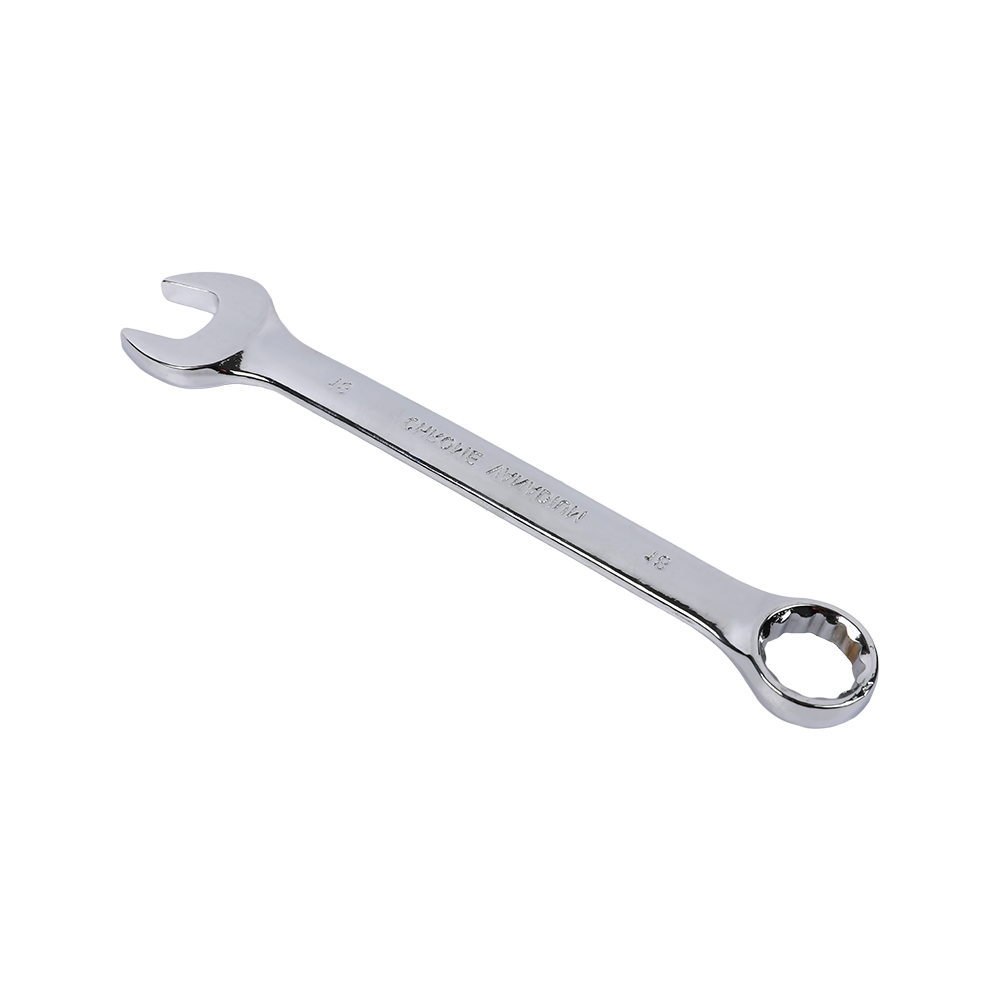
| Suspension adjustment | Open-End Wrench | Leverage & Reach |
Mechanics often rely on the adaptability of adjustable wrenches to handle various bolt sizes without the need for switching between multiple fixed wrenches. This versatility reduces downtime and increases workflow efficiency.
Plumbing and Pipe Systems
In plumbing, wrenches are essential for assembling, disassembling, and adjusting pipe fittings. The adjustable feature is particularly useful in tight spaces where multiple sizes of pipes and nuts are encountered. The material of the wrench also plays a critical role, as corrosion resistance and grip strength are important factors when working with metal pipes.
Wrench Types for Plumbing
| Wrench Type | Pipe Size Range | Material | Advantage |
|---|---|---|---|
| Pipe Wrench | 1/2""–2"" | Alloy Steel | High Grip on Round Pipes |
| Adjustable Wrench | 6–50 mm | Chrome Steel | Flexible for Multiple Sizes |
| Basin Wrench | 1/2""–3/4"" | Steel | Access Tight Spaces |
These hidden uses include temporary pipe alignment, torque distribution on pipe fittings, and handling of irregular shapes. Wrench manufacturers design specialized jaw profiles and handle lengths to maximize effectiveness in these scenarios.
Household and DIY Applications
Beyond professional use, wrenches have surprising applications in household projects. They can act as makeshift clamps during furniture assembly, or as light prying tools in renovation projects. Their adjustable nature allows a single tool to serve multiple household purposes, reducing clutter and improving convenience.
Household DIY Applications of Wrenches
| Task | Wrench Type | Special Tip |
|---|---|---|
| Furniture assembly | Adjustable Wrench | Avoid scratching wood |
| Bicycle repair | Open-End Wrench | Use proper leverage |
| Home plumbing fixes | Pipe Wrench | Use non-slip pads |
Even in DIY scenarios, understanding the appropriate application of each type of wrench can prevent damage to materials and enhance safety. Using a wrench as a temporary clamp or support is a common technique among experienced DIYers.
Industrial and Specialized Applications
In industrial settings, wrenches are indispensable tools for maintenance and assembly of heavy machinery. Beyond tightening bolts, wrenches can be used for fine adjustments of equipment, temporary support of mechanical components, or even as alignment tools in complex assemblies.
The adaptability of wrenches, particularly adjustable ones, allows workers to handle a wide variety of fasteners with a single tool, improving efficiency and reducing the number of tools needed on-site. Wrench manufacturers often design industrial-grade tools with reinforced handles and jaws to withstand high torque and repetitive use.
Material and Durability of Wrenches
The material of a wrench determines its strength, durability, and suitability for specific applications. Common materials include carbon steel, chrome vanadium steel, and stainless steel. Each material offers a balance between hardness, resistance to wear, and corrosion protection.
Wrench Material and Characteristics
| Material | Durability | Corrosion Resistance | Suitable Wrench Type |
|---|---|---|---|
| Carbon Steel | Medium | Low | Standard Adjustable |
| Chrome Vanadium | High | High | Open-End, Adjustable |
| Stainless Steel | High | Very High | Specialized Wrench |
Durable materials ensure that adjustable wrenches maintain their jaw alignment and grip strength over time. Wrench manufacturers prioritize material selection to maximize lifespan and reliability, especially for heavy-duty or industrial applications.
Ergonomic Design and User Efficiency
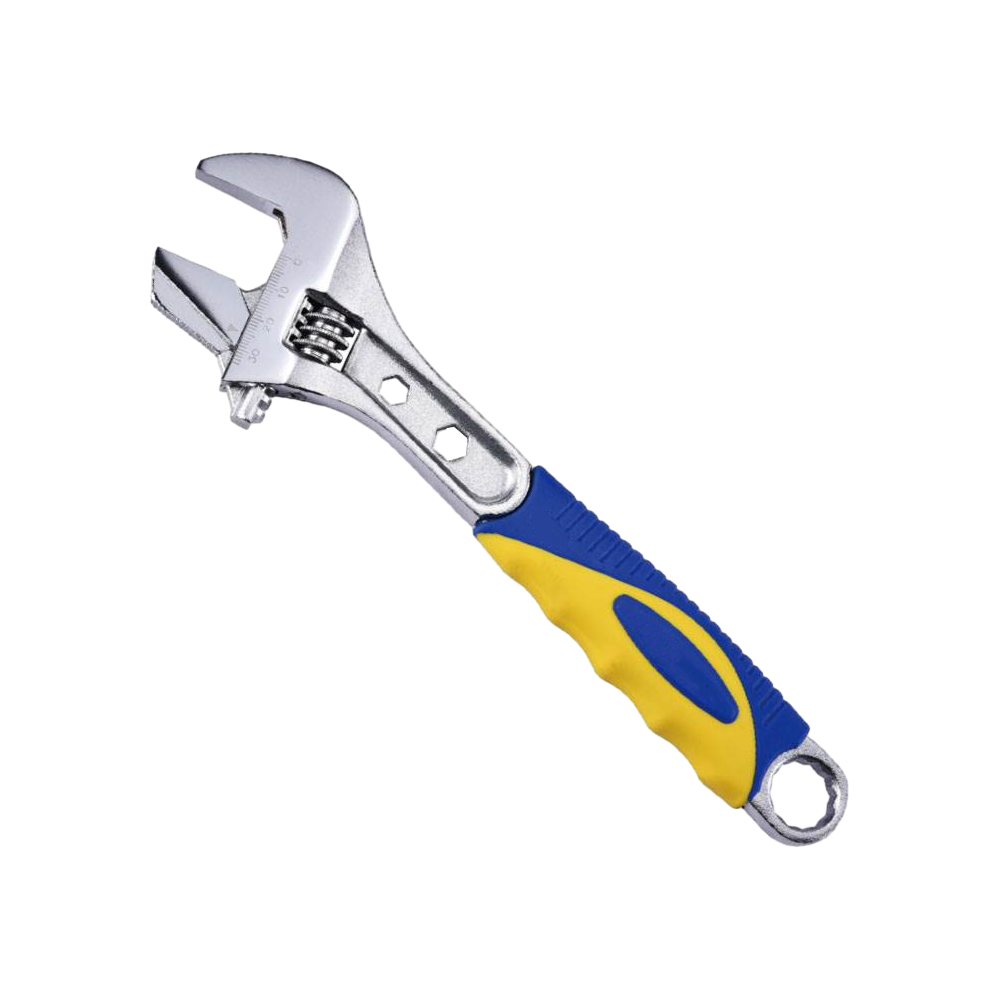
Ergonomics play a critical role in wrench design, influencing both comfort and productivity. Modern wrenches incorporate handle shapes, grip materials, and weight distribution to reduce hand fatigue and allow precise control. Adjustable wrenches, when combined with ergonomic designs, enable efficient operation even in extended tasks.
The design of the handle and the distribution of leverage also reduce the risk of injury and allow users to apply greater torque with less effort. Wrench manufacturers carefully test ergonomics to ensure tools meet the needs of professional mechanics, industrial workers, and DIY enthusiasts alike.
Choosing the Right Wrench: Tips and Considerations
Selecting the appropriate wrench involves considering factors such as size, type, material, and intended application. Adjustable wrenches are ideal for versatility, while fixed-size wrenches provide precise torque and fit. Understanding the task requirements helps users choose the efficient tool and prolong the life of both the wrench and the fasteners it engages.
Key considerations when choosing a wrench include:
Task-specific requirements (automotive, plumbing, household, industrial)
Fastener size and shape
Material and durability for the working environment
Ergonomic design and comfort
By making informed choices, users can ensure that wrenches remain effective across multiple applications, their hidden potential.
Conclusion
Wrenches are far more versatile than their traditional role of simply tightening or loosening bolts. Their adjustable functionality, durable materials, and ergonomic designs enable them to perform a variety of hidden uses across automotive, plumbing, household, and industrial applications. Wrench manufacturers continue to innovate, producing tools that meet the evolving needs of professionals and DIY enthusiasts alike.
Understanding the full capabilities of wrenches not only improves efficiency but also reduces the need for multiple tools, saving both time and workspace. From temporary clamps to precision adjustments, the hidden uses of wrenches demonstrate that this seemingly simple tool remains an essential component of any toolkit.

-
Feedback