
 EN
EN  English
 русский
 Español
How to Properly Use and Maintain an Adjustable Wrench for Maximum Durability?
Introduction
An adjustable wrench is a versatile and essential tool found in every toolbox, used for gripping and turning nuts, bolts, and pipes. Unlike fixed wrenches, the adjustable wrench offers the flexibility of varying its jaw size to fit different fasteners, making it indispensable for both professional mechanics and DIY enthusiasts alike. However, to ensure its longevity and performance, proper usage and regular maintenance are critical.
Understanding the Adjustable Wrench
What Is an Adjustable Wrench?
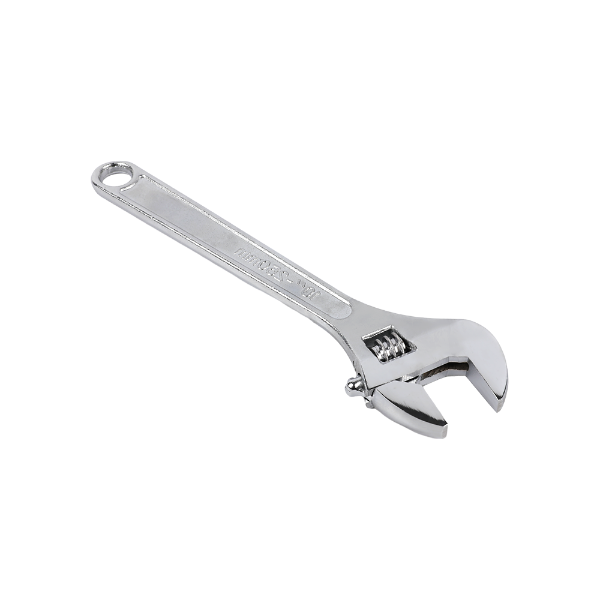
An adjustable wrench is designed to grip and turn fasteners of various sizes. Its movable jaw allows for quick adjustments to fit different bolts and nuts, making it far more versatile than a traditional fixed-size wrench.
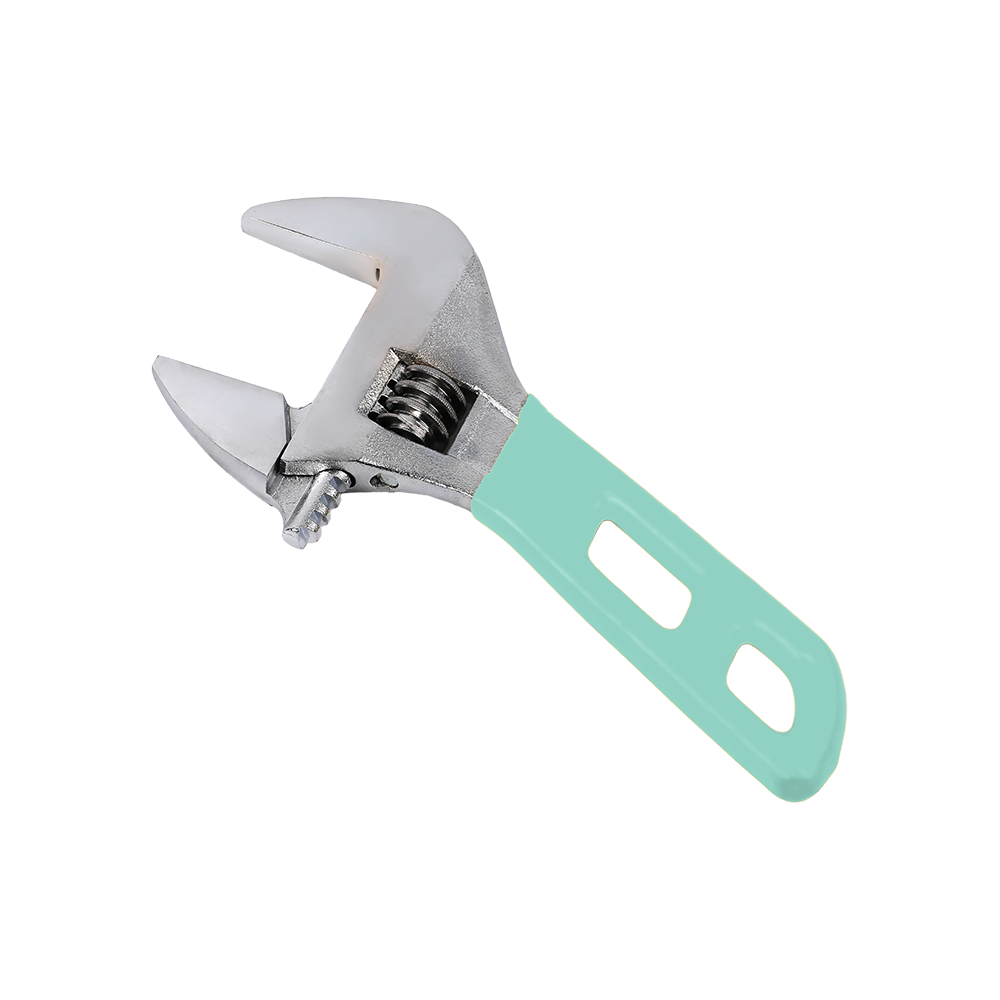
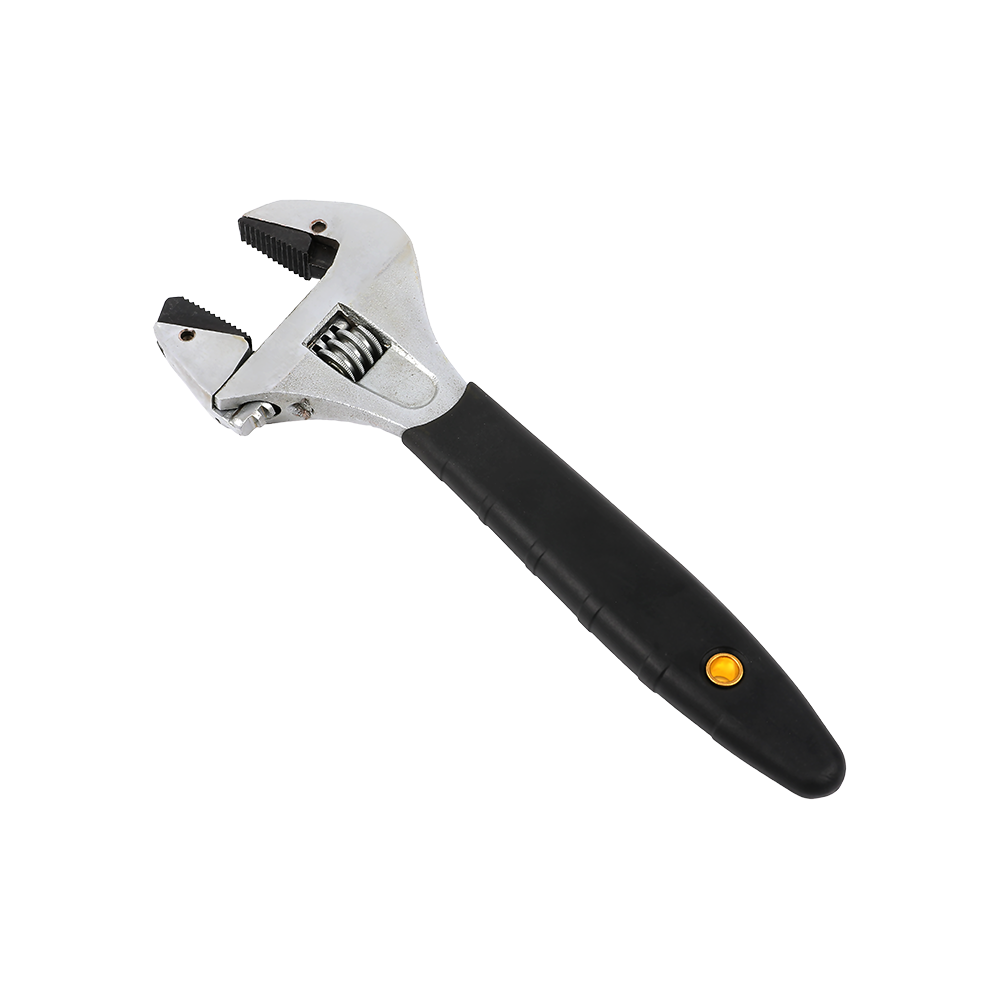
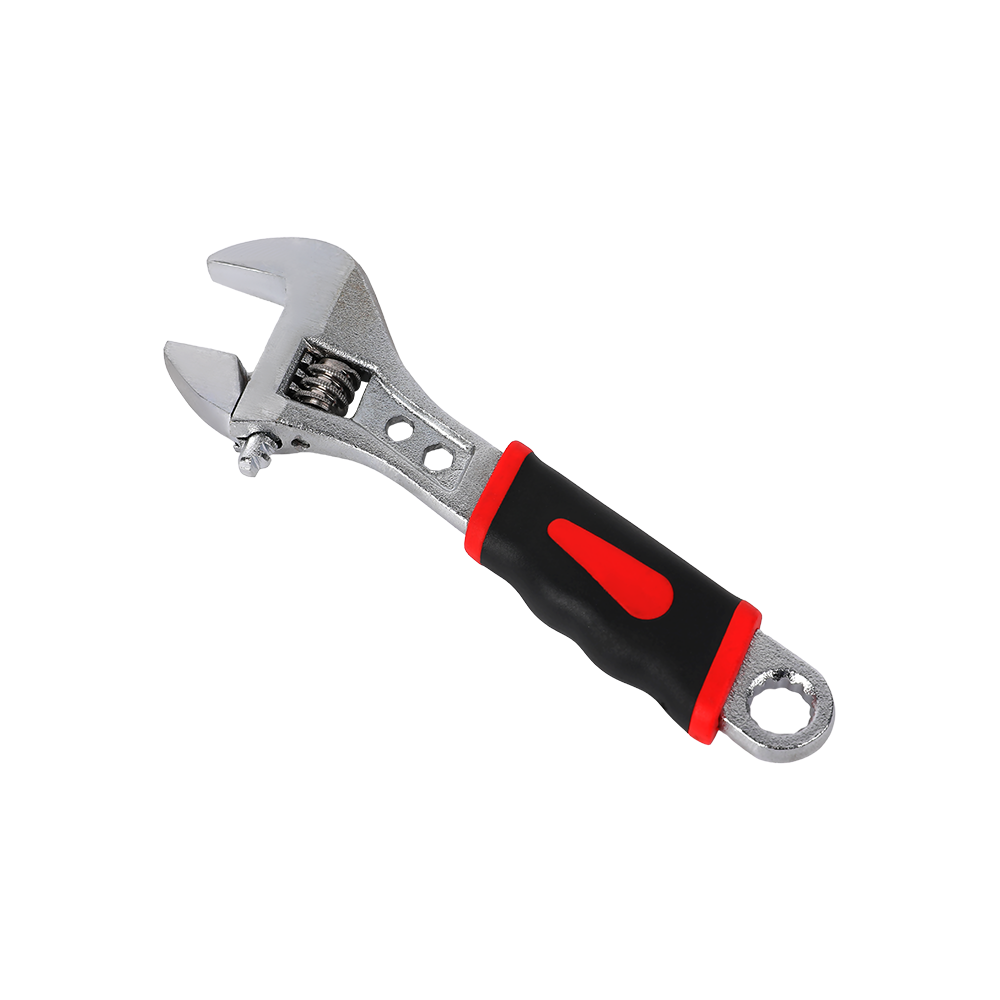
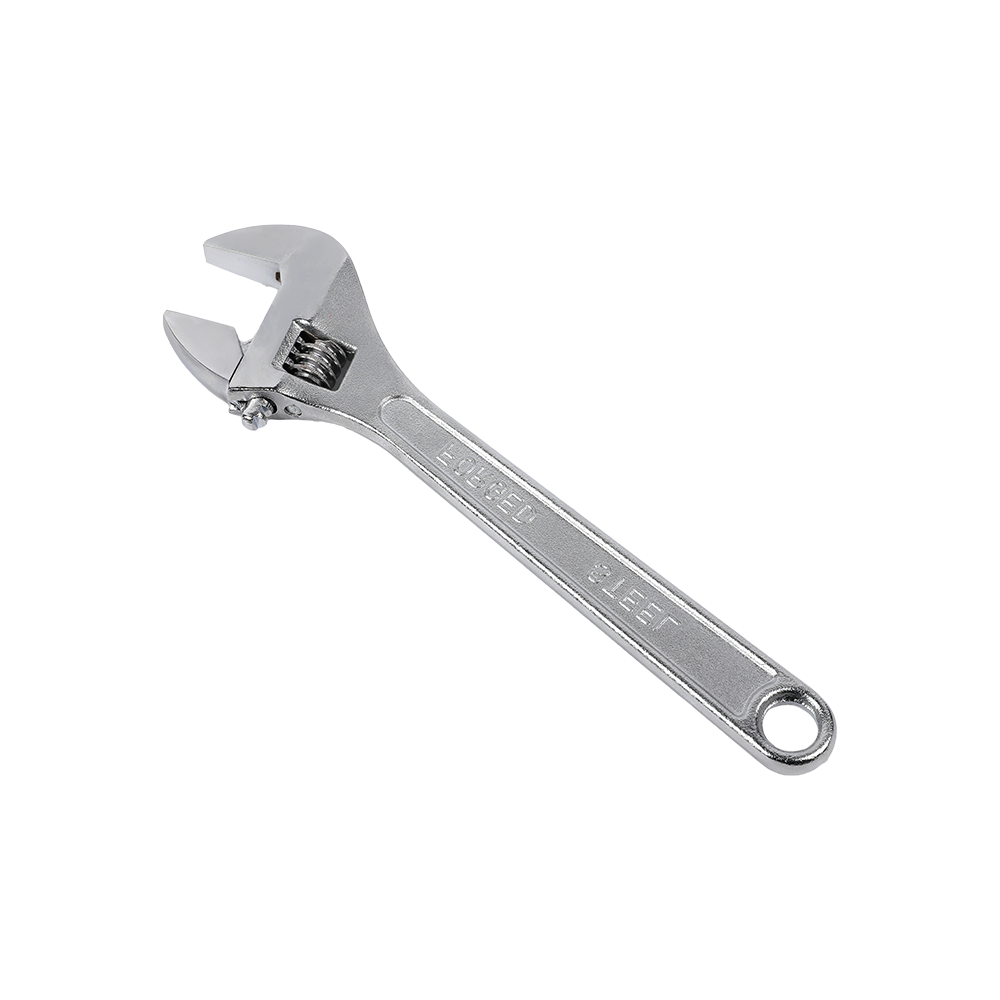
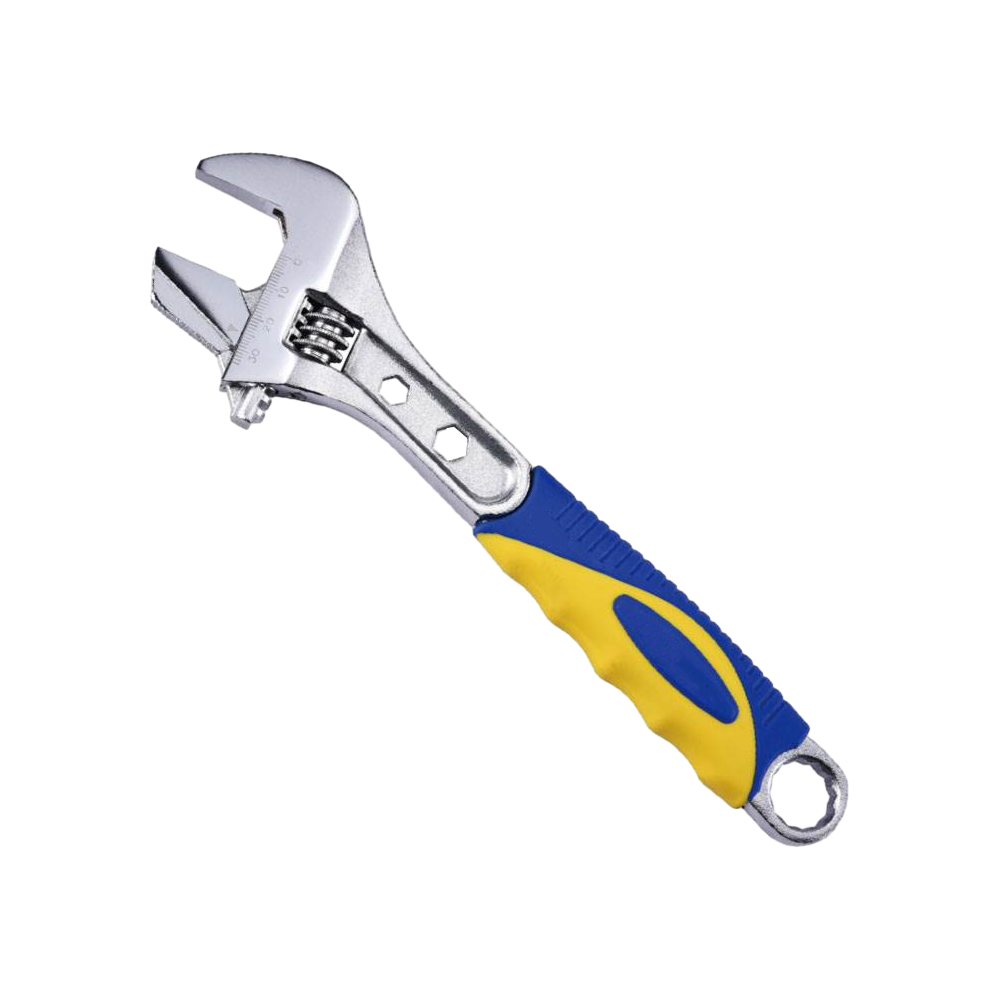
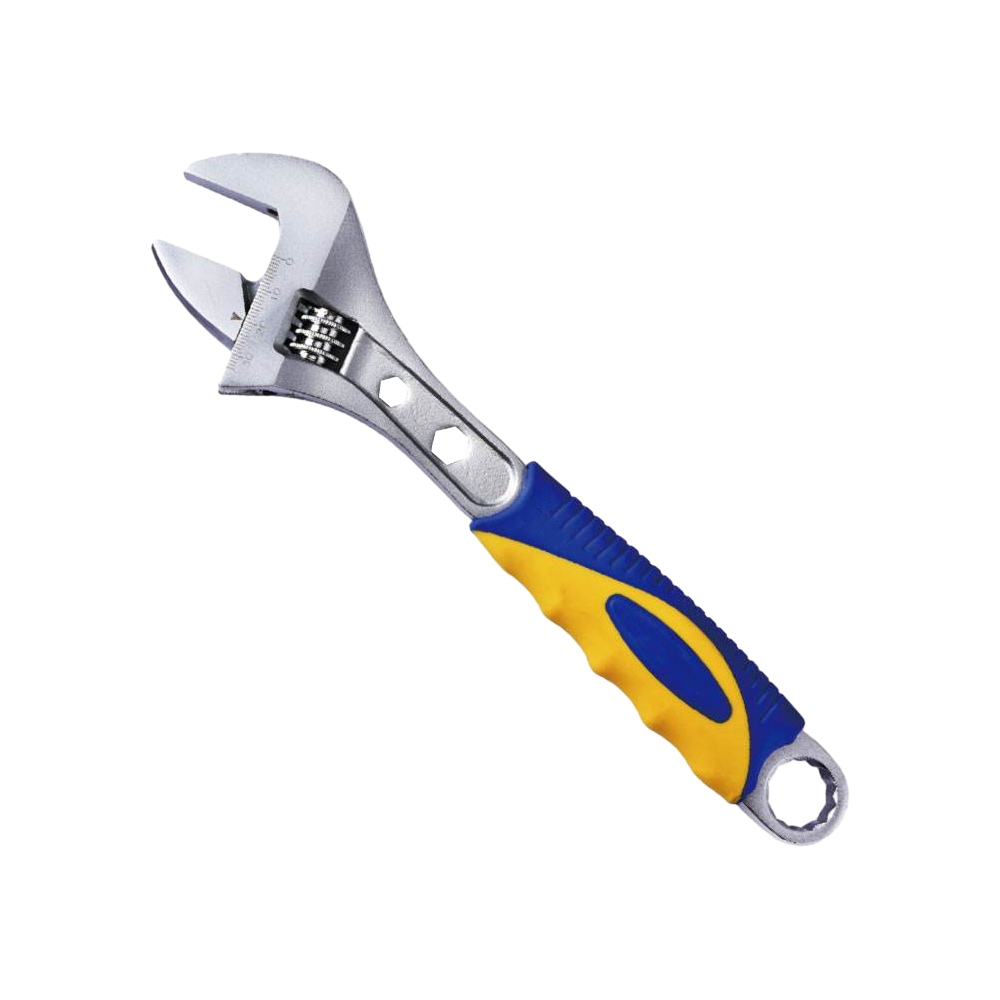
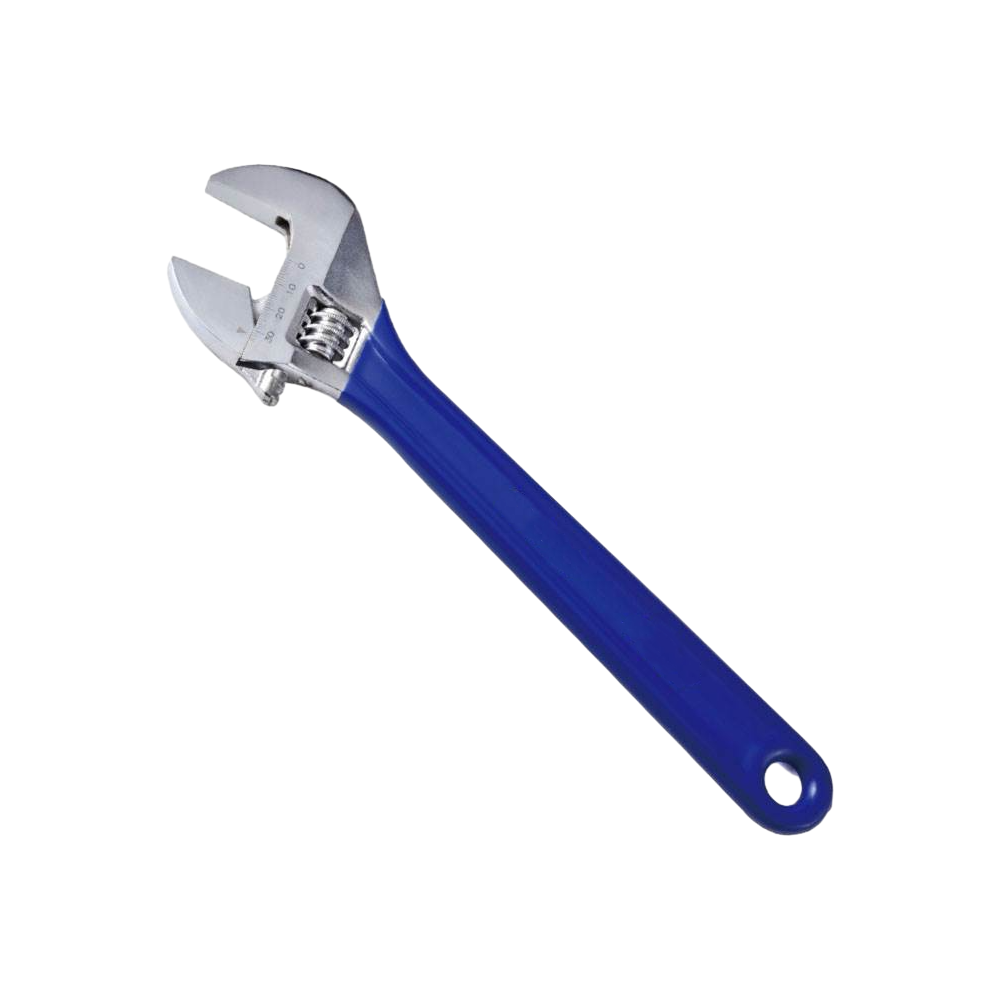
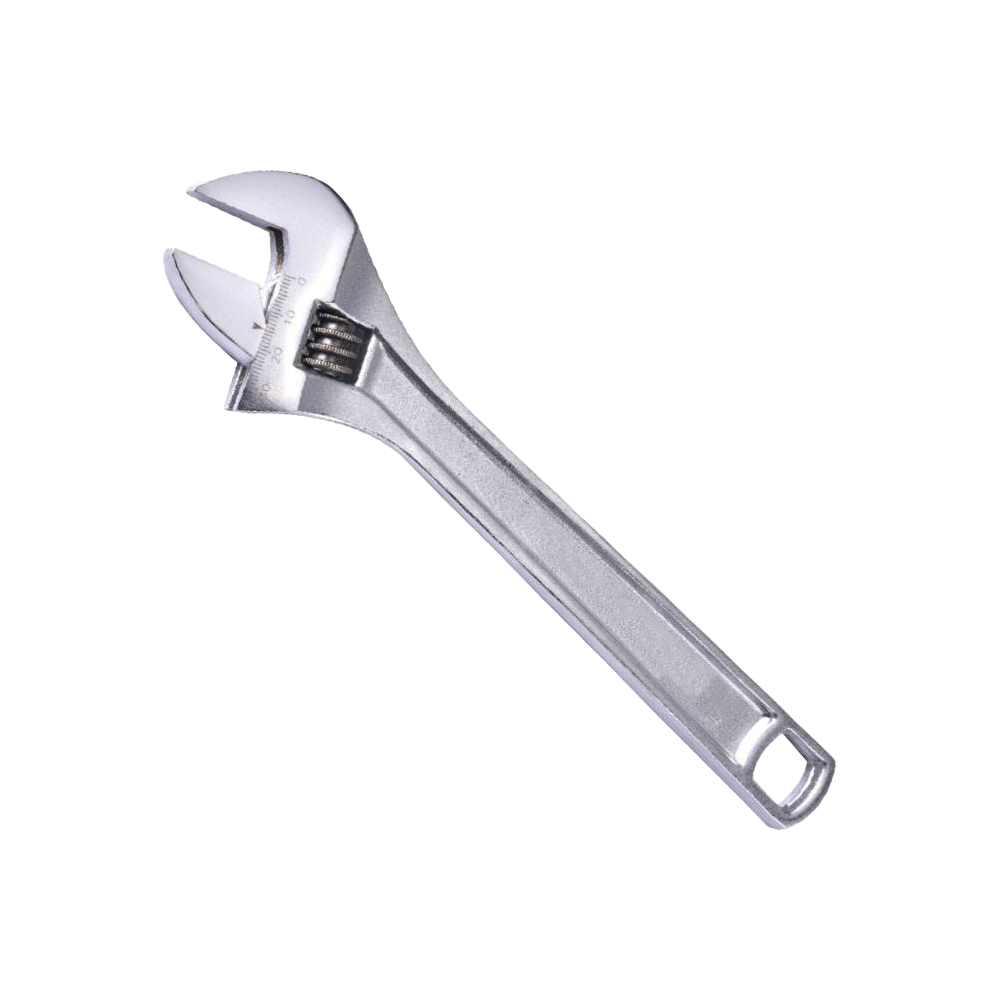
Parts of an Adjustable Wrench
- Handle: The long part of the wrench that provides leverage.
- Jaws: The gripping parts that open and close to adjust the size.
- Thumb Wheel/Adjustment Mechanism: Allows the user to change the jaw width.
- Fixed Jaw: The stationary part that holds the fastener.
Proper Usage Techniques for an Adjustable Wrench
Choosing the Right Size
While the adjustable wrench can handle various sizes of fasteners, it’s essential to choose a wrench that is comfortable to use. Ensure the handle is long enough to provide adequate leverage but not too large to make the task cumbersome.
Correct Jaw Adjustment
Always adjust the jaw to just fit the fastener snugly. A wrench that is too loose may slip, while a tight fit ensures better torque transmission and reduces the risk of damage to the tool.
Using the Right Grip
Grip the wrench firmly by holding the handle and applying force in the direction of the turn. It’s advisable to use your body weight to apply steady force, avoiding sudden jerks that could strain the tool or the fastener.
Apply Force in the Correct Direction
When using the adjustable wrench, always apply force in the direction of tightening or loosening, and avoid using the tool as a hammer. Using excessive force or using it for purposes it’s not designed for will shorten the tool’s lifespan.
Maintenance Tips for Durability
Keep the Wrench Clean
Dirt, grease, and rust can affect the performance of your adjustable wrench. After every use, wipe it down with a cloth to remove grime and debris. For stubborn grease or rust, use a mild detergent or lubricating oil.
Lubrication is Key
Regular lubrication of the adjustment mechanism is essential for smooth operation. Apply a small amount of machine oil to the moving parts and the threads of the thumb wheel. This ensures that the jaw remains adjustable and prevents wear and tear.
Check for Damage and Wear
Inspect the wrench regularly for signs of wear, such as a loose thumb wheel, cracked handle, or worn-out jaws. If the jaws no longer grip securely, or the wrench becomes hard to adjust, it may be time to replace it.
Avoid Over-tightening
Excessive tightening can strain both the wrench and the fastener. Apply sufficient torque but never over-tighten, as this can damage to the tool’s components or the fastener you’re working with.
Store Properly
Store the adjustable wrench in a dry place, away from moisture. A toolbox or dedicated storage space helps keep the tool protected from dust and environmental elements that may rust and deterioration.
Common Mistakes to Avoid When Using an Adjustable Wrench
Using the Wrench on Stripped Fasteners
Using an adjustable wrench on fasteners with stripped heads can damage both the wrench and the fastener. It’s crucial to ensure the fastener is in good condition before using the wrench.
Using the Adjustable Wrench for Heavy Duty Applications
While adjustable wrenches are versatile, they are not designed for heavy-duty industrial work. For tasks that involve high torque or large fasteners, it’s to use a specialized wrench to avoid tool damage.
Misadjusting the Jaw
A common mistake is adjusting the jaw too loosely, which causes the wrench to slip. Ensure that the jaw is tight enough to prevent any movement while working.
Key Features of Adjustable Wrenches
| Feature | Description | Impact on Durability |
|---|---|---|
| Handle Material | Steel, aluminum, or composite materials | Stronger materials last longer |
| Jaw Design | Flat, V-shaped, or angled | Different jaw designs offer better grip |
| Size Range | Available in small to large sizes | Larger wrenches tend to be more durable for heavy-duty work |
| Thumb Wheel Design | Knurled or smooth | A well-designed wheel ensures ease of adjustment and longevity |
FAQ
Q1: How do I choose the right adjustable wrench for my job?
Choose a wrench with a handle size that fits your hand comfortably. The jaw should be adjustable enough to accommodate various fasteners. Select a wrench with a high-quality finish and corrosion-resistant material for durability.
Q2: Can I use an adjustable wrench for all kinds of fasteners?
Yes, adjustable wrenches are versatile tools, but they are effective for bolts and nuts that aren’t too worn down. For damaged or rusted fasteners, specialized tools might be necessary.
Q3: How often should I lubricate my adjustable wrench?
Lubricate the thumb wheel and moving parts regularly—at least once every few months or after frequent use. Apply a small amount of oil to ensure smooth operation.
Q4: What is the lifespan of an adjustable wrench?
The lifespan depends on usage, maintenance, and material quality. With proper care, an adjustable wrench can last many years, though it may need replacement after extensive wear or misuse.
Q5: Can I use an adjustable wrench for heavy-duty industrial applications?
Adjustable wrenches are designed for moderate use. For heavy-duty or industrial applications, it’s recommended to use specific wrenches designed for high-torque applications.
Conclusion
An adjustable wrench is an indispensable tool in any toolbox, offering versatility and ease of use. By understanding the correct methods for its usage and adopting regular maintenance practices, users can ensure their wrench performs optimally for years. Always remember to select the right size for your task, maintain the tool with regular cleaning and lubrication, and avoid common mistakes that can shorten its lifespan.
This tool, when used and cared for correctly, can provide a long-lasting, reliable solution for a wide range of applications, from everyday DIY tasks to professional jobs. Whether you’re a casual user or a seasoned professional, a well-maintained adjustable wrench will make your work much easier and more efficient.

-
Feedback