
 EN
EN  English
 русский
 Español
How Does a Dual Purpose Spanner Compare to Traditional Wrenches for Professional Use?
Introduction
When it comes to choosing the right tool for mechanical work, professional users are often faced with an abundance of options. Among these, wrenches are a staple in any toolkit, with a variety of types tailored to different tasks. One such tool gaining popularity is the dual purpose spanner. This tool offers enhanced functionality compared to traditional wrenches, making it an attractive choice for professionals who need versatility and precision in their daily work.
What Is a Dual Purpose Spanner?
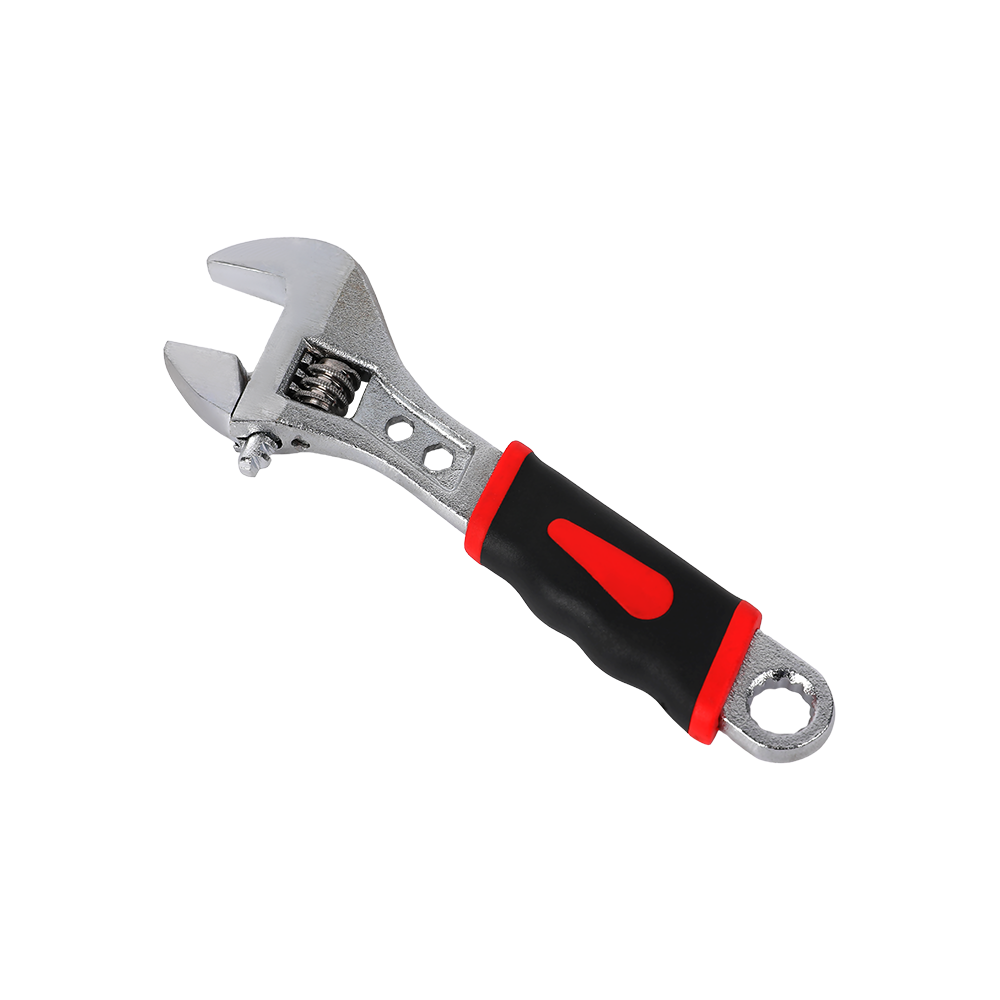
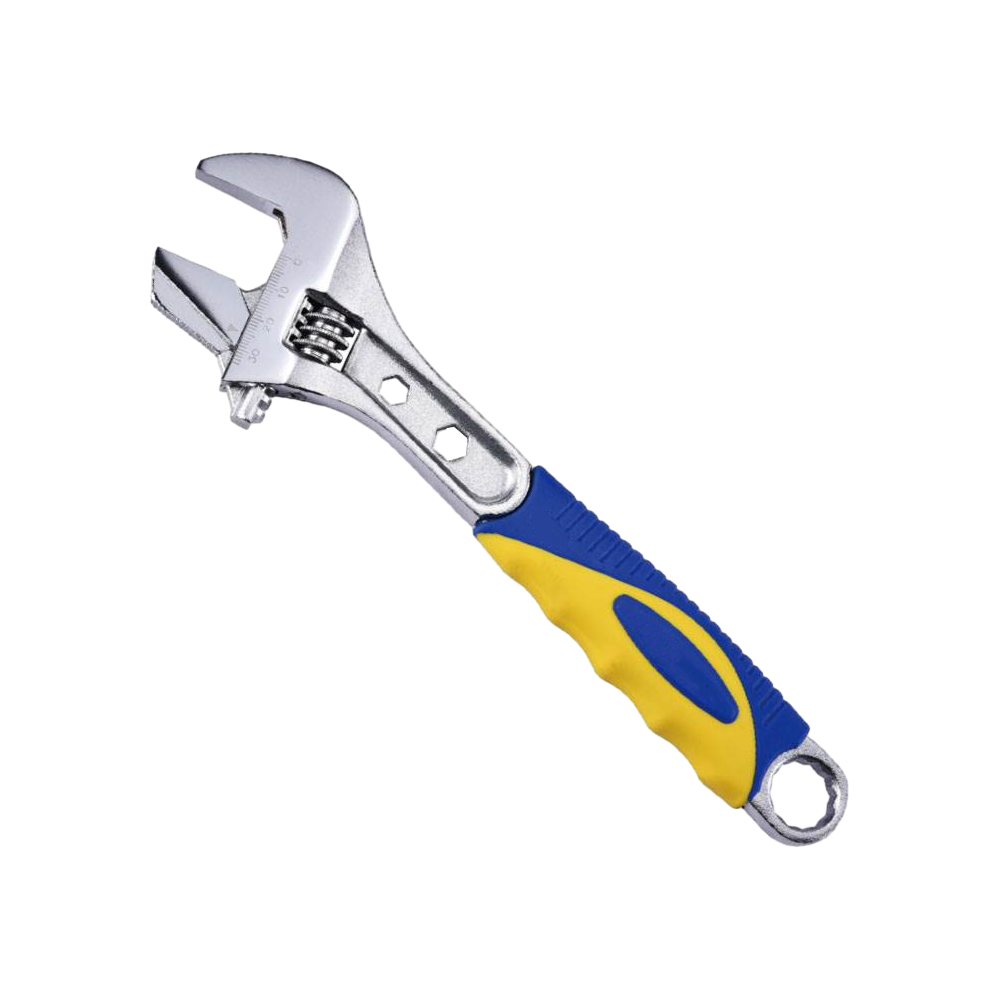
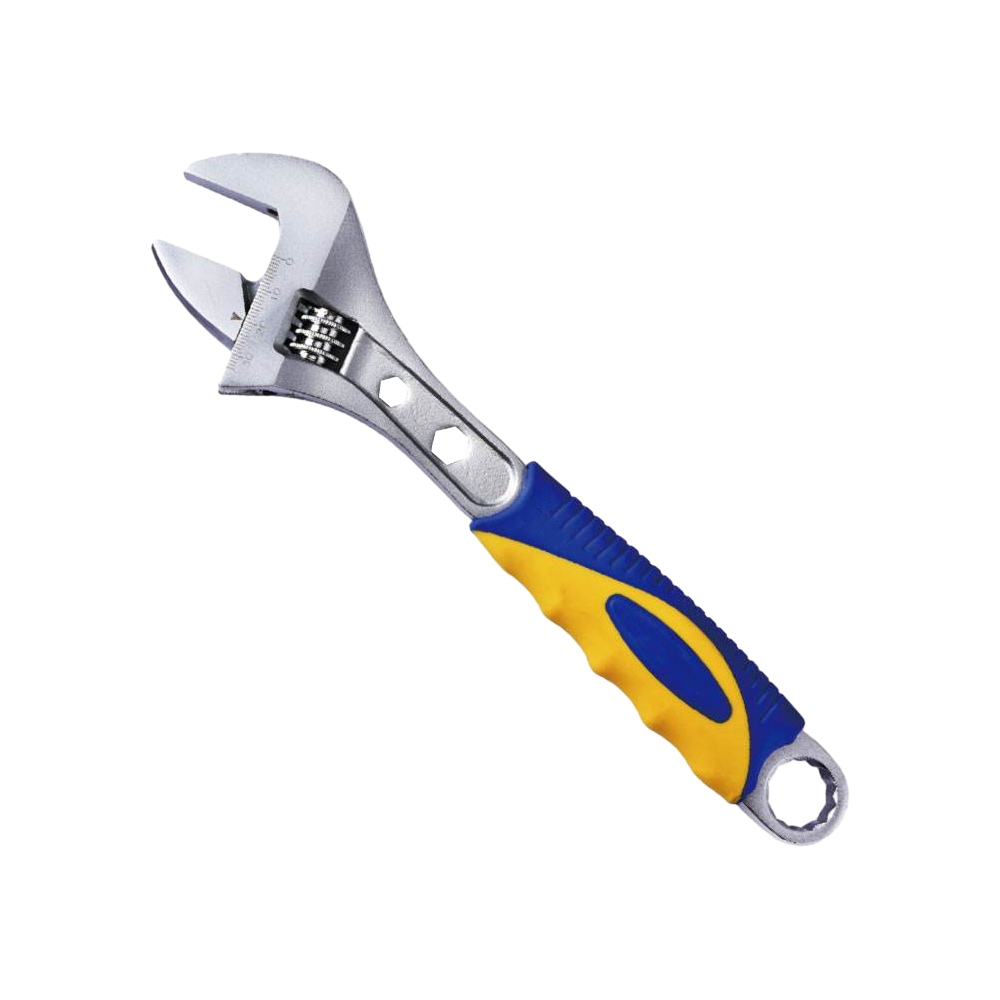
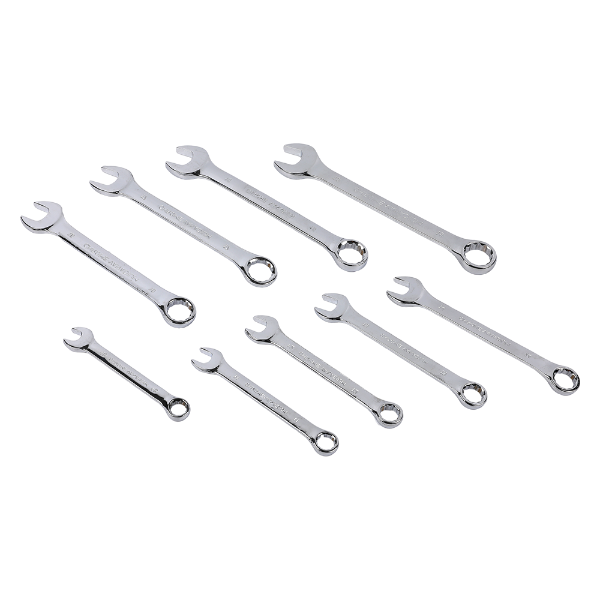
A dual purpose spanner is a versatile tool designed to serve two functions: it can be used as both an open-ended wrench and a ring spanner. This combination allows users to tackle a wider range of mechanical tasks with a single tool, reducing the need for multiple wrenches and enhancing overall efficiency.
The key feature of a dual purpose spanner is its adaptability. Unlike traditional wrenches that are typically specialized for one type of fastener, dual purpose spanners are engineered to work on different sizes and types of nuts and bolts. This multi-functionality makes them especially popular in professional environments where time and space are often limited.
Traditional Wrenches: A Quick Overview
Traditional wrenches come in a variety of forms, including open-ended wrenches, box wrenches, and socket wrenches. Each of these has its own specific advantages and use cases.
-
Open-ended wrenches are designed with a U-shaped opening that can slip over nuts or bolts of various sizes. However, they often offer less grip and can slip off the fastener, especially under high torque.
-
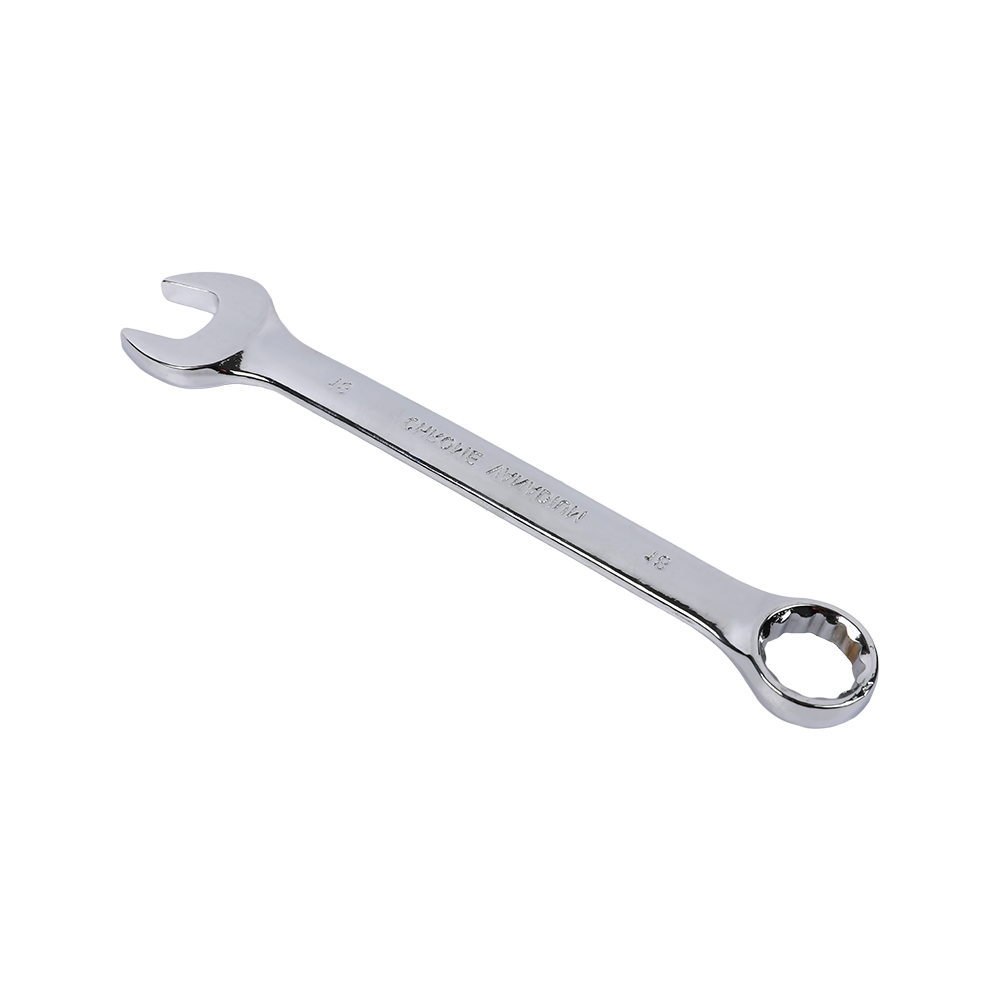
Box wrenches provide a closed, more secure fit over fasteners, reducing the risk of slippage. However, they are usually limited to a specific fastener size and are less versatile than open-ended wrenches.
-
Socket wrenches are highly versatile and offer a ratcheting mechanism, but they often require multiple socket sizes and can be cumbersome to carry in a toolkit.
Traditional wrenches are still widely used and have their place in various settings, but they often fall short when it comes to versatility and efficiency in more demanding tasks.
Key Differences: Dual Purpose Spanner vs Traditional Wrenches
Versatility
The prominent advantage of a dual purpose spanner is its versatility. Unlike traditional wrenches, which are typically specialized for one type of fastener, a dual purpose spanner allows professionals to work with both open and ring-ended fasteners. This can save time and space, as there’s no need to carry multiple wrenches of different sizes.
| Feature | Dual Purpose Spanner | Traditional Wrenches |
|---|---|---|
| Type of Fasteners | Open-ended & Ring | Specialized (Open-end, Box) |
| Versatility | High | Low |
| Space Efficiency | High | Low |
| Tool Set Size | Smaller | Larger |
Efficiency
In professional environments, time is often of the essence. Dual purpose spanners help improve workflow by allowing technicians to handle different types of fasteners with a single tool. This can be particularly useful in situations where a technician needs to quickly switch between various types of bolts or nuts.
For instance, a technician working on machinery might need to switch between an open-ended wrench and a box wrench while performing routine maintenance. With a dual purpose spanner, they can accomplish both tasks without having to switch tools, reducing downtime and speeding up work completion.
Durability and Strength
While traditional wrenches are often made from high-quality steel to ensure strength and durability, a dual purpose spanner is designed with similar materials but is typically reinforced for the added functionality. Manufacturers of dual purpose spanners often use special heat treatments or alloy compositions to ensure that these tools maintain their strength even after repeated use in heavy-duty applications.
Traditional wrenches can sometimes break or bend under high torque, especially when used improperly. The added benefit of a dual purpose spanner is that it maintains its integrity under pressure while providing extra functionality.
Space Efficiency and Portability
One of the challenges professionals face is carrying multiple tools in a compact space. Traditional wrenches, due to their specialization, can take up a significant amount of room in a toolkit. On the other hand, dual purpose spanners combine two tools into one, saving valuable space and making it easier for professionals to carry their essential tools without burdening themselves with a heavy toolbox.
Applications of Dual Purpose Spanners in Professional Settings
Dual purpose spanners are particularly effective in environments where space and efficiency are key. Here are some examples of their applications:
-
Automotive Repair: When working on cars, mechanics often need to switch between open-ended and ring wrenches to access hard-to-reach fasteners. A dual purpose spanner can save time and prevent the need to reach for a different tool.
-
Industrial Maintenance: In factories and plants, workers may need to quickly switch between different sizes of fasteners. The versatility of a dual purpose spanner makes it ideal for these environments.
-
Construction Sites: The versatility and strength of a dual purpose spanner make it an essential tool on construction sites, where workers need reliable tools that can handle various fasteners without taking up too much space.
Advantages of a Dual Purpose Spanner in Professional Use
Cost-Effectiveness: Professionals who need to purchase a variety of wrenches for their job can benefit from the cost savings of a dual purpose spanner. Rather than buying multiple specialized wrenches, they can invest in one tool that can serve multiple purposes.
Time-Saving: The ability to quickly switch between different types of fasteners without having to change tools can significantly reduce the amount of time spent on a project. This is especially important for professionals working in fast-paced environments.
Enhanced Grip and Stability: Dual purpose spanners are designed with enhanced grip, reducing the risk of slippage and improving the overall stability when working under high torque.
FAQ
1. What is the main difference between a dual purpose spanner and traditional wrenches?
A dual purpose spanner can be used both as an open-ended wrench and a ring spanner, offering more versatility and efficiency compared to traditional wrenches, which are typically specialized for one task.
2. Can a dual purpose spanner handle high torque applications?
Yes, dual purpose spanners are made from durable materials and are reinforced to handle high torque, making them suitable for heavy-duty applications.
3. How does a dual purpose spanner improve efficiency in the workplace?
By combining two tools into one, a dual purpose spanner saves time by eliminating the need to switch between different wrenches, improving workflow and reducing downtime.
4. Are dual purpose spanners suitable for all professional environments?
Yes, dual purpose spanners are versatile and can be used in automotive, industrial, construction, and other professional environments where various fasteners need to be accessed.
Conclusion
In conclusion, a dual purpose spanner offers significant advantages over traditional wrenches, particularly in professional environments where efficiency, versatility, and space are crucial. By combining the functionality of an open-ended wrench and a ring spanner, it provides professionals with a compact and reliable tool that can handle a wide range of tasks. Whether in automotive repair, industrial maintenance, or construction, a dual purpose spanner is an indispensable tool that can improve workflow, reduce costs, and increase productivity.

-
Feedback