
 EN
EN  English
 русский
 Español
How Do Movable Wrenches Compare to Fixed Wrenches in Versatility?
Introduction
Wrenches are among the essential tools in any toolbox, whether you’re a professional mechanic or a DIY enthusiast. Two of the commonly used types of wrenches are movable wrenches and fixed wrenches. While both serve the same primary purpose—tightening or loosening fasteners—each has its unique features and advantages. In this article, we will explore the differences between movable and fixed wrenches, focusing on their versatility, and helping you determine which is the better choice for various tasks.
What Is a Movable Wrench?
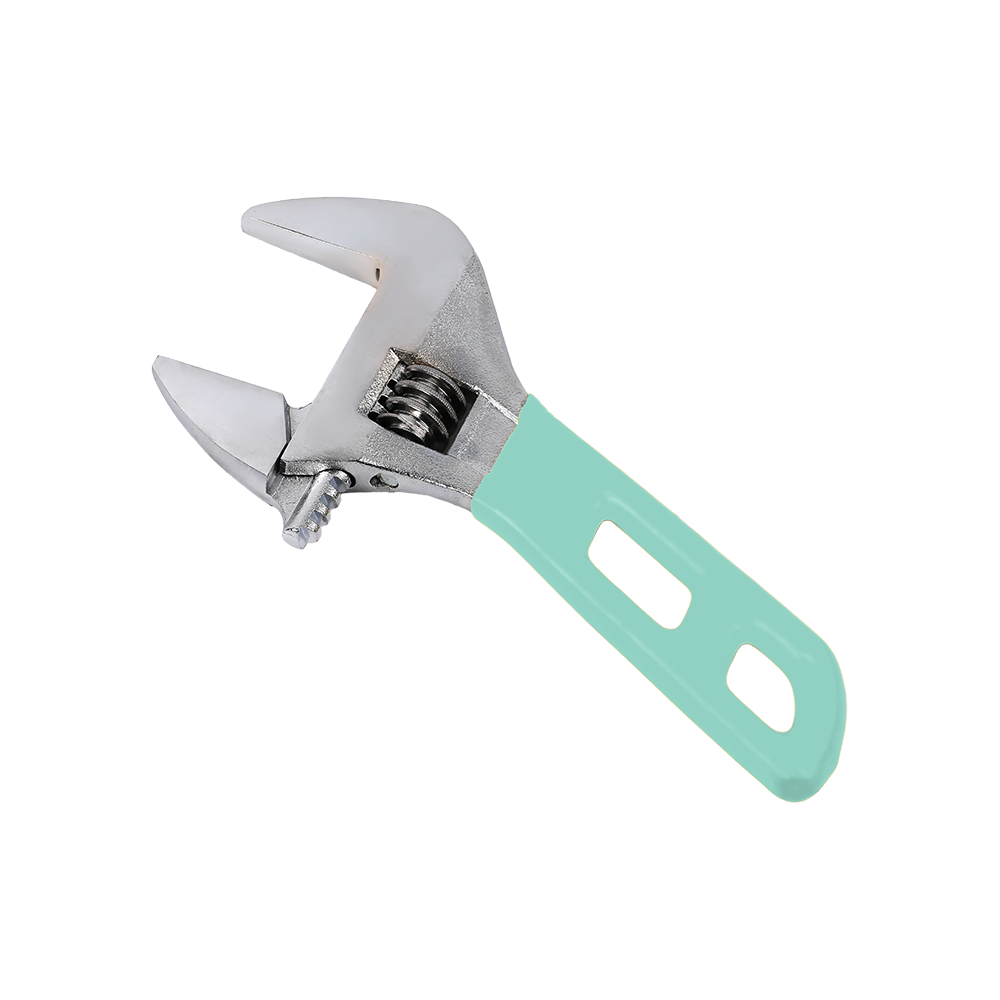
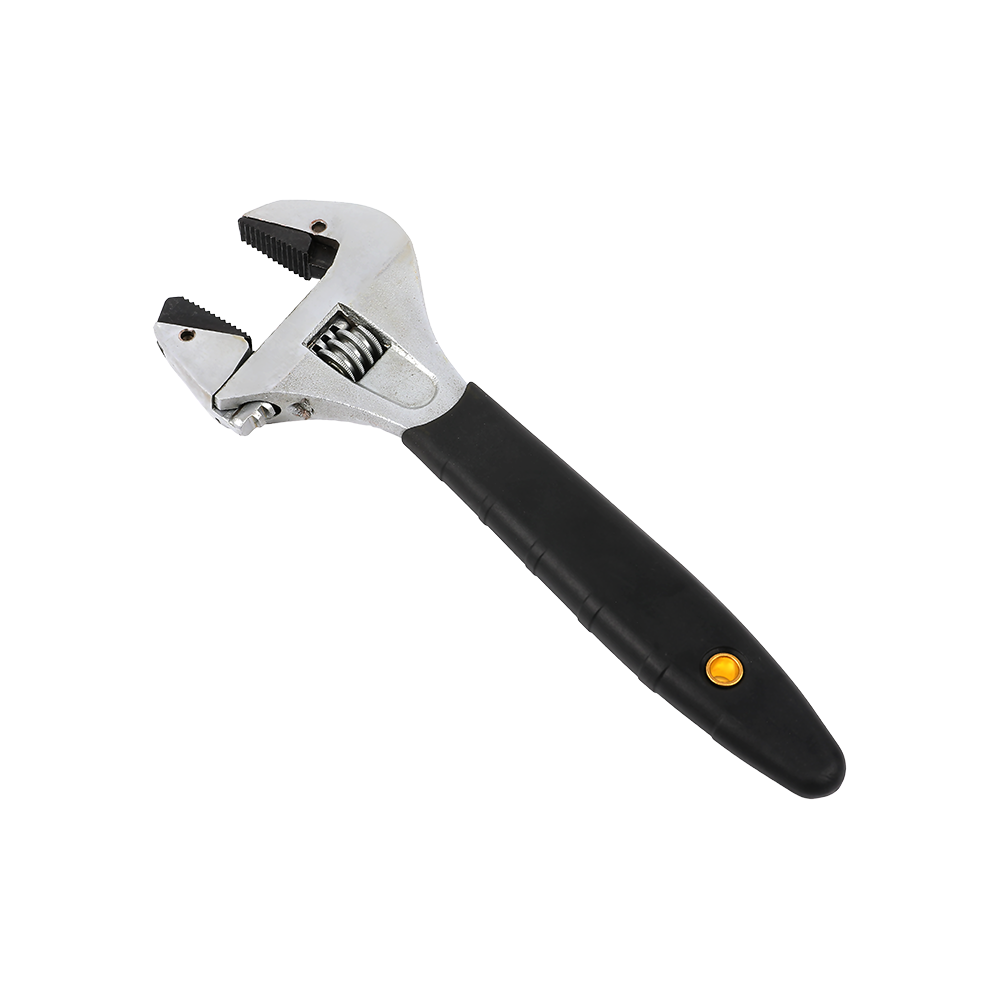
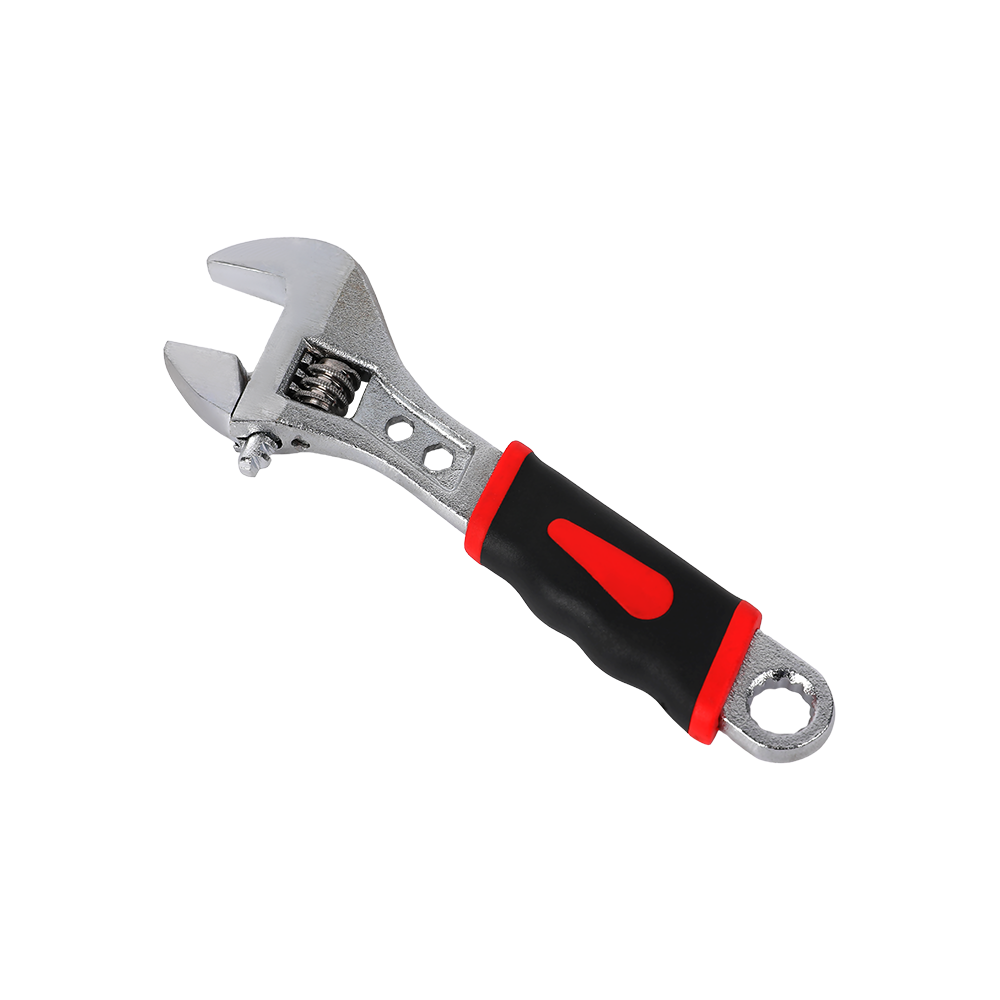
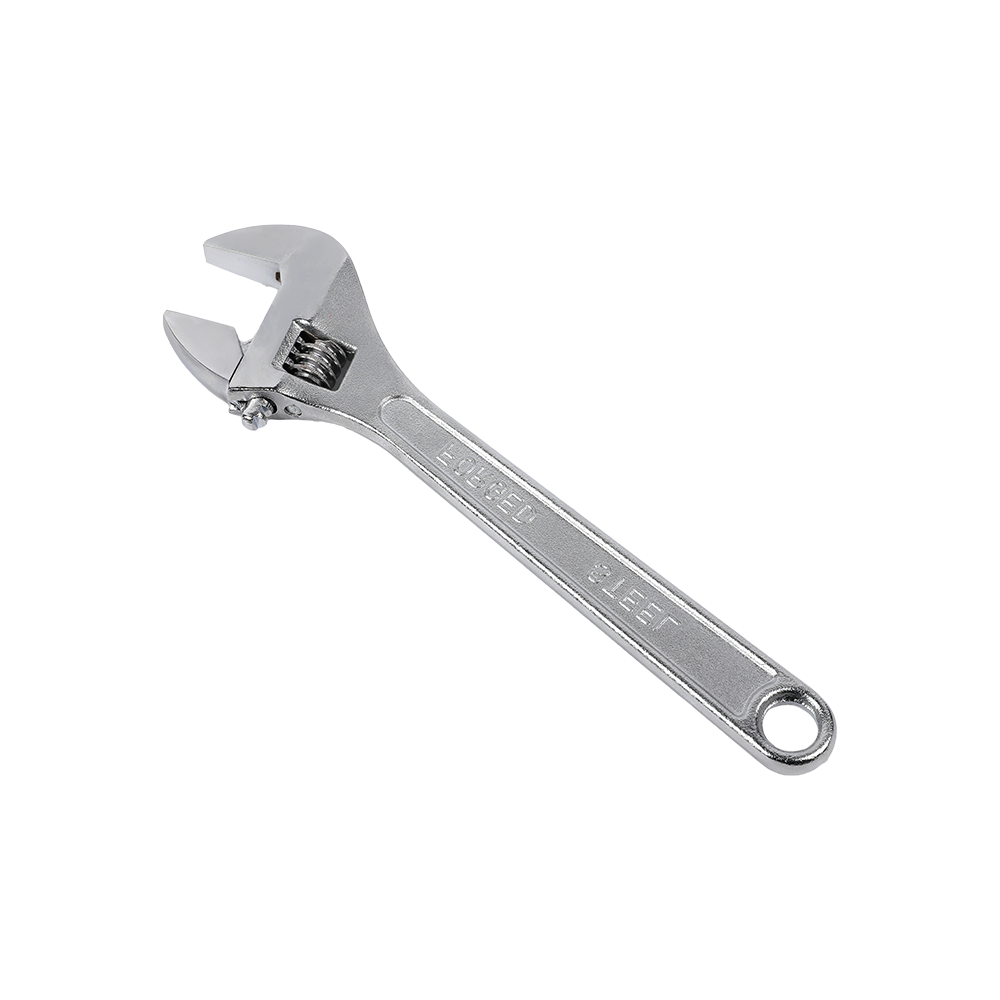
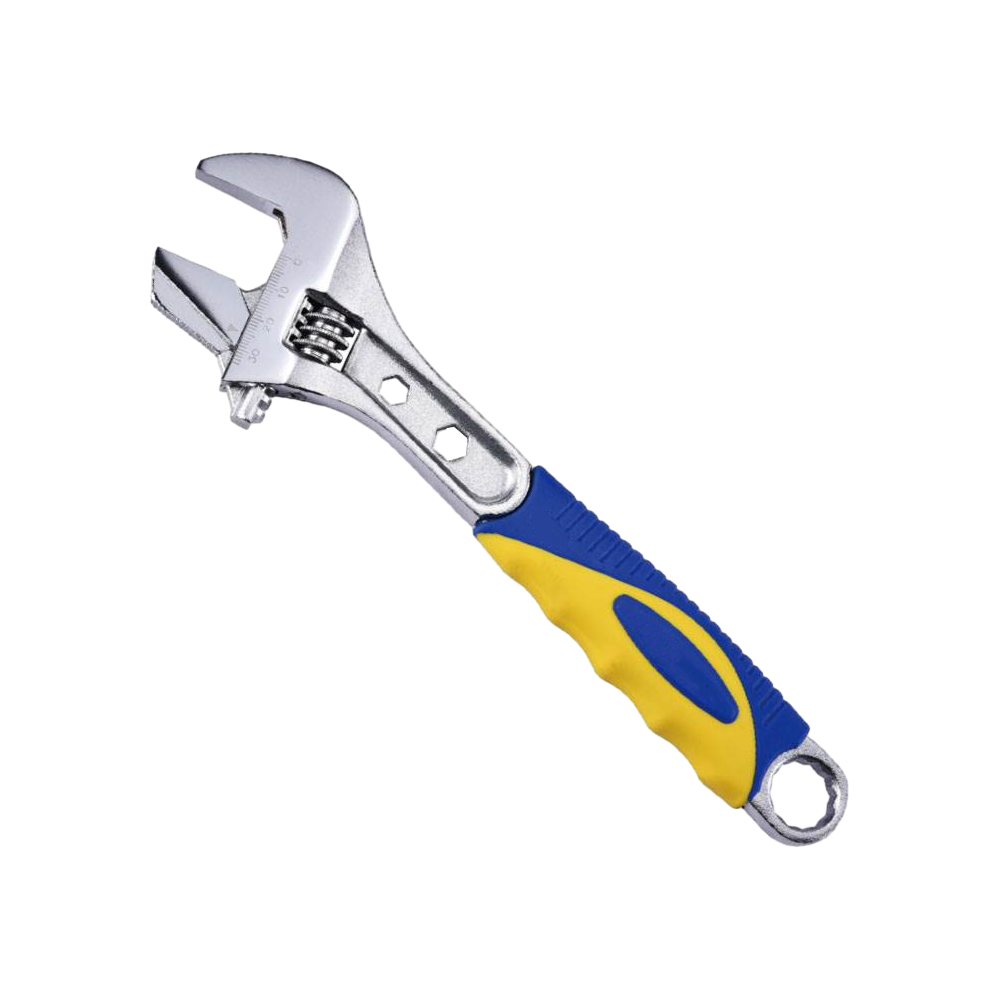
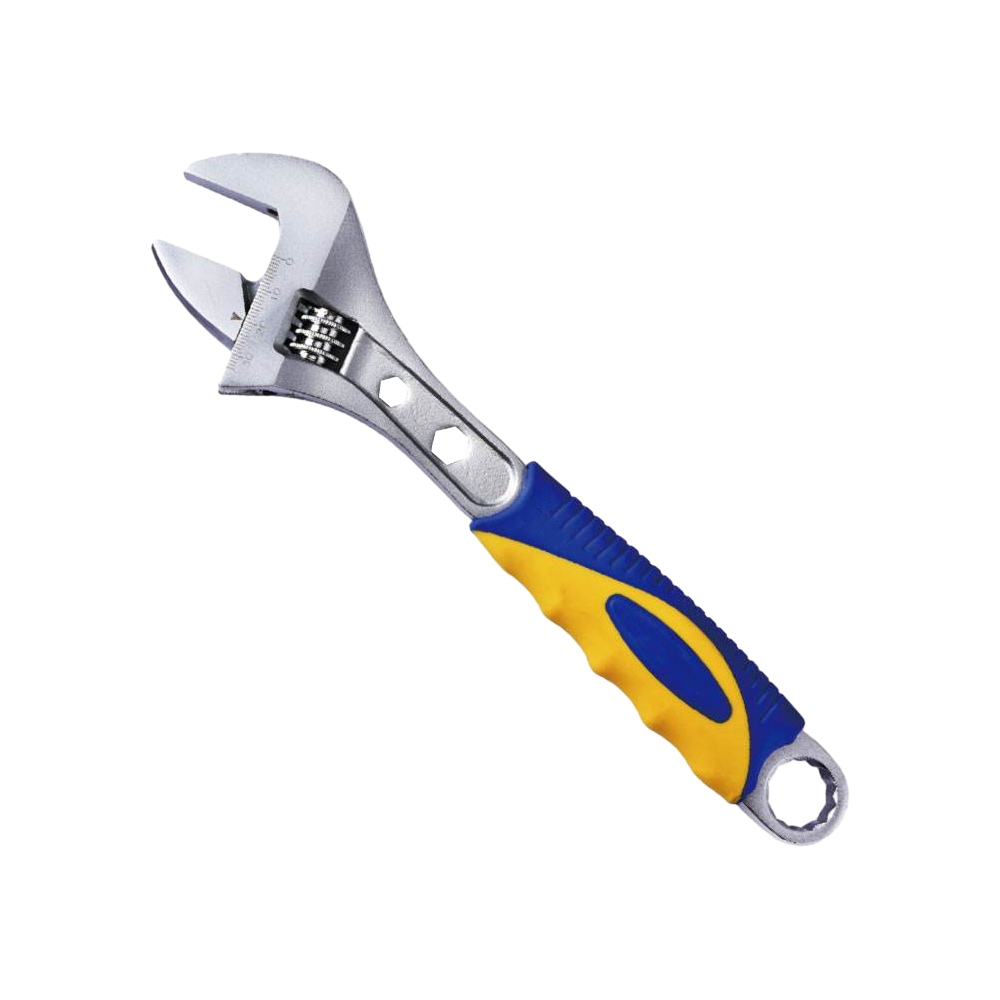
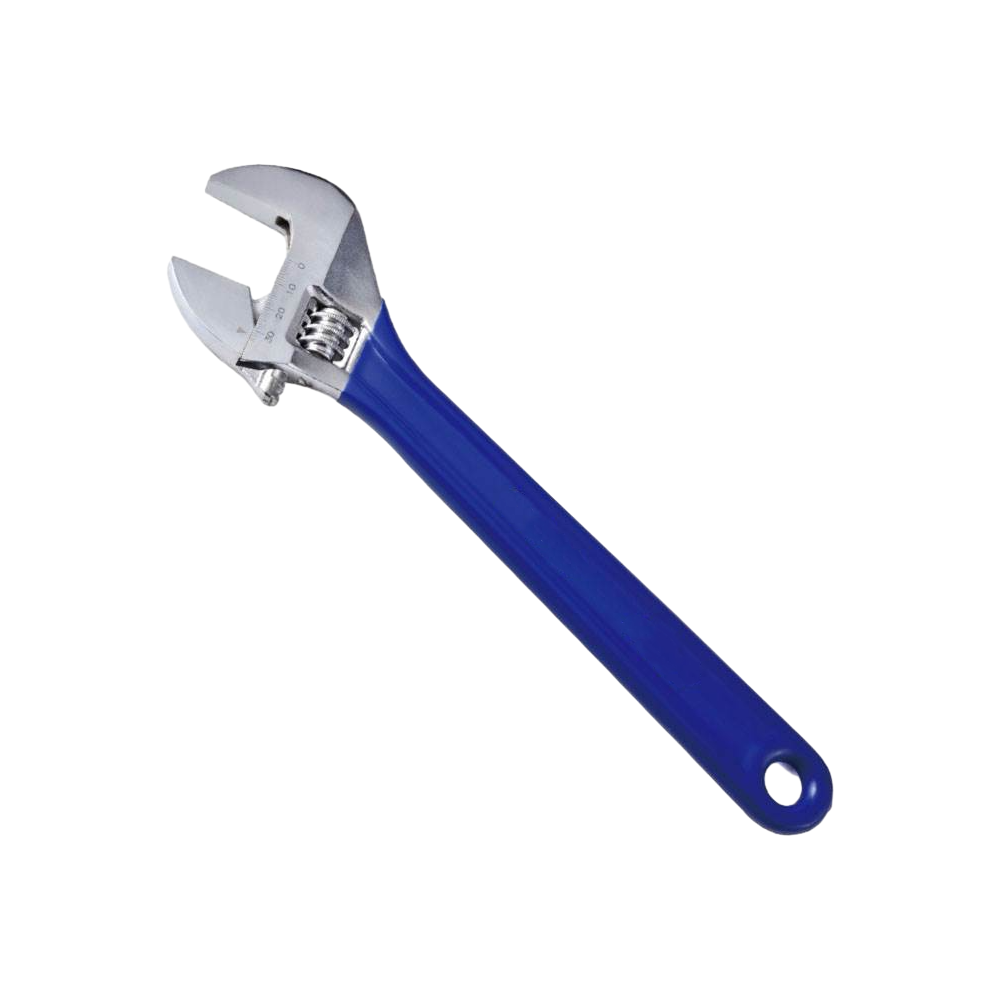
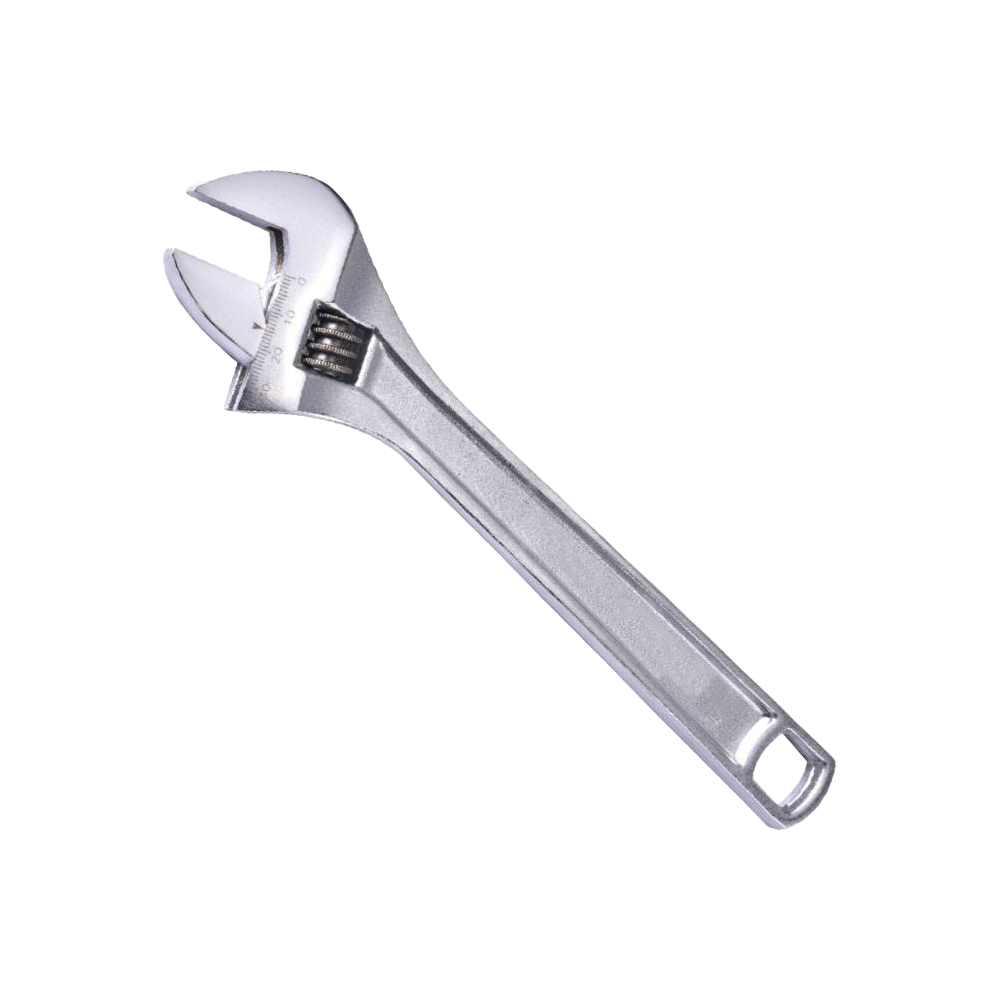
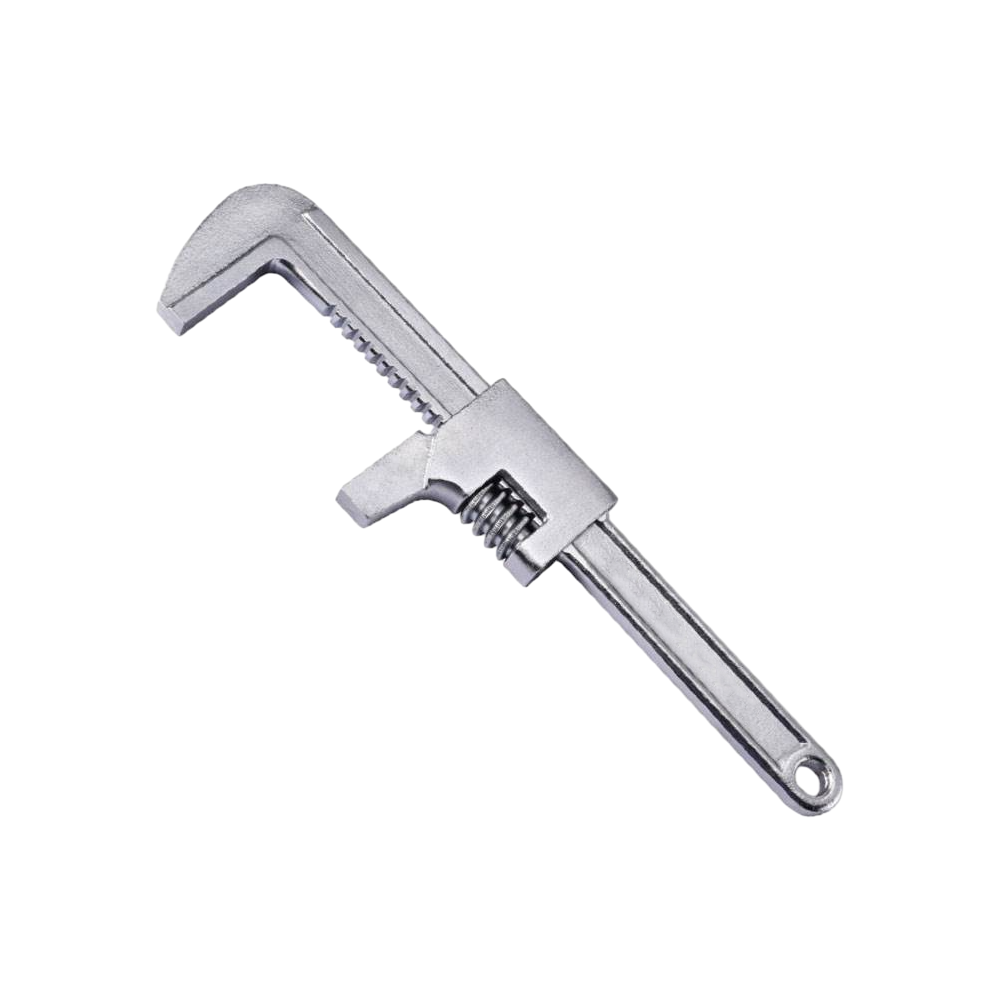
Movable wrenches, also known as adjustable wrenches, are designed with a jaw that can be adjusted to fit different sizes of nuts and bolts. The size of the opening can be modified by turning a screw or a dial, making these wrenches versatile for a wide range of tasks.
Key Features:
- Adjustable Jaw: The main feature of movable wrenches is their adjustable jaw, which allows them to fit a variety of fastener sizes.
- Size Range: Movable wrenches come in multiple sizes, from small pocket models to larger wrenches designed for heavy-duty tasks.
- Convenience: They are ideal for situations where you might need to work with different sized fasteners.
What Is a Fixed Wrench?
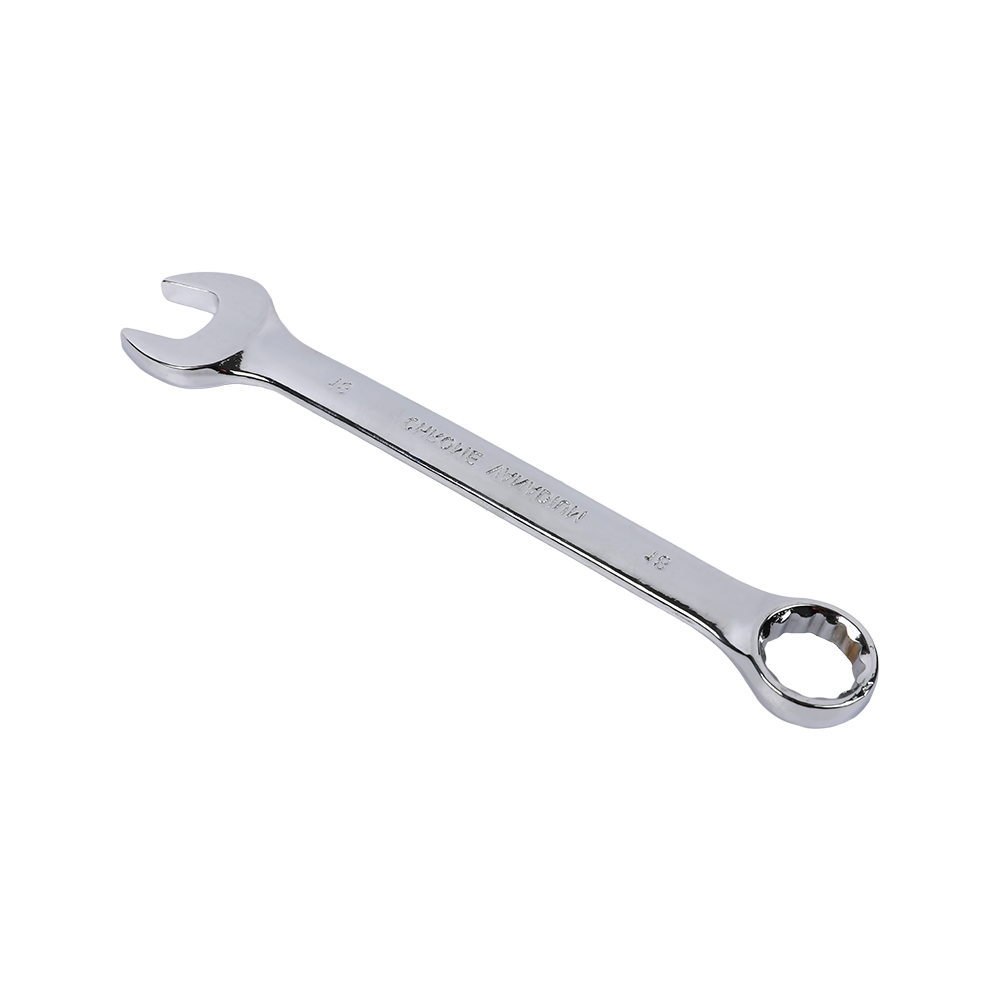
In contrast, fixed wrenches (often referred to as spanners) have a non-adjustable jaw designed for a specific size of fastener. These wrenches are more rigid and are typically used in situations where a particular fastener size is known.
Key Features:
- Fixed Jaw: The size of the jaw is permanent and designed for a specific size of nut or bolt.
- Durability: Fixed wrenches are often more durable than their adjustable counterparts due to their simpler design.
- Precision: They are ideal when precision is important, as they offer a snug fit without the risk of slipping.
Versatility Comparison Between Movable and Fixed Wrenches
When it comes to versatility, movable wrenches have a distinct advantage. Here’s why:
-
Adjustable Jaw: Movable wrenches can accommodate multiple fastener sizes, making them highly adaptable in various situations. This is especially useful when working with different machinery or a wide range of projects where the size of fasteners isn’t known in advance.
-
Convenience: A movable wrench can replace several fixed wrenches in your toolbox, saving space and reducing the need to carry multiple tools.
-
Speed: With a movable wrench, you can quickly adjust the size of the jaw without the need to switch tools, making it ideal for fast-paced work environments.
Movable Wrench vs Fixed Wrench – Key Differences
| Feature | Movable Wrench | Fixed Wrench |
|---|---|---|
| Jaw Type | Adjustable (can fit multiple sizes) | Fixed (specific to a size) |
| Versatility | High (works with various sizes) | Low (limited to specific sizes) |
| Convenience | High (no need for multiple tools) | Medium (requires multiple sizes) |
| Precision | Medium (may slip if not properly adjusted) | High (snug fit) |
| Durability | Medium (due to adjustable parts) | High (simple design) |
| Speed of Use | High (quick adjustments) | Low (requires multiple tools) |
Why Choose a Movable Wrench for Versatility?
-
Flexibility in Different Applications: Movable wrenches are ideal for both professionals and DIYers who work on various projects. They can handle tasks ranging from simple home repairs to complex industrial maintenance. This flexibility is a significant reason why manufacturers of movable wrenches focus on producing adjustable models that can cater to various needs.
-
Wide Range of Applications: From automotive repair to plumbing, a movable wrench can be adjusted to fit almost any fastener, making it a go-to tool for many professionals. Whether you’re dealing with plumbing pipes or machinery, an adjustable wrench can handle the task.
-
Space-Saving: For professionals, especially those in the field, carrying a toolbox filled with different fixed wrenches can be cumbersome. A movable wrench allows you to replace several fixed wrenches with just one, making it a space-saving tool that is easy to carry around.
Fixed Wrenches in Specific Applications
While movable wrenches are incredibly versatile, fixed wrenches still hold significant value in certain applications. Here are some situations where a fixed wrench is preferred:
-
Precision Work: Fixed wrenches are often used in precision tasks where the fastener size is known in advance. Their non-adjustable design ensures a snug, secure fit that reduces the risk of slipping or damaging the fastener.
-
Heavy-Duty Applications: Fixed wrenches are often more robust and can handle heavy-duty work, making them a great choice for industrial environments where durability is key.
-
Faster Workflows: In environments where a specific size of fastener is always used, fixed wrenches can provide a faster and more efficient workflow, as they do not require adjustment.
Choosing Between Movable and Fixed Wrenches for Your Toolbox
When deciding between a movable wrench and a fixed wrench, the choice depends largely on the nature of the tasks you expect to encounter. Movable wrenches are the choice if you need flexibility and the ability to work with a variety of fastener sizes. On the other hand, if you’re dealing with a specific set of fasteners, or need higher precision and durability, a fixed wrench might be more appropriate.
Best Use Cases for Movable vs Fixed Wrenches
| Task Type | Movable Wrench | Fixed Wrench |
|---|---|---|
| Automotive Repairs | yes | yes |
| Plumbing | yes | yes |
| Heavy-Duty Industrial Work | yes | yes |
| Tight, Precision Tasks | no | yes |
| Maintenance with Multiple Fasteners | yes | no |
Conclusion
In summary, movable wrenches offer unmatched versatility in comparison to fixed wrenches. Their ability to adjust to various fastener sizes makes them an invaluable tool for many industries, from automotive mechanics to plumbing professionals. However, fixed wrenches still have their place in precision work and heavy-duty applications. Understanding the strengths and limitations of each type of wrench will help you make the right choice for your toolkit.
FAQ
1. What makes movable wrenches so versatile?
Movable wrenches are versatile because they have an adjustable jaw, allowing them to fit a wide range of fastener sizes, unlike fixed wrenches, which are limited to a specific size.
2. Can movable wrenches replace all types of fixed wrenches?
While movable wrenches are adaptable for tasks, there are specific cases, such as precision work, where fixed wrenches may provide a better fit.
3. Are movable wrenches less durable than fixed wrenches?
Movable wrenches may be slightly less durable due to their adjustable parts, but they are still highly reliable for tasks.
4. How do I know which wrench to use for a specific task?
For tasks requiring flexibility or a variety of fastener sizes, a movable wrench is the choice. For precision or heavy-duty applications, fixed wrenches might be more appropriate.
5. Do movable wrenches come in different sizes?
Yes, movable wrenches come in various sizes to accommodate a wide range of fastener sizes, from small household repairs to large industrial projects.

-
Feedback